
Frequently Asked Questions
Find answers about meal planning, nutrition, and healthy eating habits.
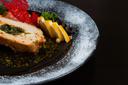
What Foods Should I Avoid to Lose Weight?
The biggest offenders are ultra-processed foods, sugary drinks, refined carbs, and foods high in added sugars—these spike your blood sugar fast and leave you hungry again within the hour. But it's not just about cutting things out. Replacing them with high protein meals to lose weight and whole, fiber-rich options is what actually moves the needle. Small, consistent swaps beat dramatic restrictions every time.
What Is Calorie Intake for a Woman? A Real-World Guide
Most women need between 1,600 and 2,400 calories per day, depending on age, height, weight, and activity level. That's a pretty wide range—and that's exactly why a one-size-fits-all number rarely works. Your calorie needs are personal, and getting them right is the first step toward building a diet plan that actually sticks.

What Foods Should I Avoid for Weight Loss?
The biggest offenders are ultra-processed foods, sugary drinks, refined carbs, and foods with hidden added sugars—they spike your blood sugar, leave you hungry faster, and make it harder to stay consistent. That said, it's less about banning entire food groups and more about knowing which foods work against your goals. Swap strategically, and you'll feel the difference quickly.

What Is My Daily Calorie Intake? How to Find Your Number
Your daily calorie intake depends on your age, height, weight, sex, and activity level—there's no single number that works for everyone. Most adults fall somewhere between 1,600 and 3,000 calories per day to maintain their current weight. Once you know your maintenance number, you can adjust from there based on your goals.

Can I Lose Weight Without Counting Calories?
Yes, absolutely. Counting calories is one tool, but it's not the only one—and for a lot of people, it's not even the best one. By focusing on food quality, protein intake, and building smarter eating habits, you can create the conditions your body needs to lose weight naturally.

What Is the Correct Calorie Intake for a Woman?
Most women need between 1,600 and 2,400 calories per day, depending on age, height, weight, and activity level. There's no single magic number—your calorie maintenance is personal to you. A sedentary woman in her 40s and an active woman in her 20s can have wildly different needs, sometimes by 600+ calories a day.

What Should I Eat at Dinner to Lose Weight?
The best dinners for weight loss are built around lean protein, non-starchy vegetables, and a moderate portion of complex carbs or healthy fats. Think grilled chicken with roasted broccoli, not a sad salad with no staying power. Getting the balance right at dinner helps manage hunger overnight and sets up your next day for success.

What Is the Recommended Calorie Intake for a Woman?
Most women need between 1,600 and 2,400 calories per day, depending on age, height, weight, and activity level. A sedentary woman in her 40s has very different needs than an active woman in her 20s. There's no single number that fits everyone—which is exactly why personalized guidance matters.

What Type of Food Should I Eat to Lose Weight?
Focus on whole, minimally processed foods—especially high-protein options like chicken, eggs, and legumes—paired with fiber-rich vegetables and complex carbs. These keep you fuller longer, help manage cravings, and support a calorie deficit without leaving you miserable. It's not about eating less of everything; it's about eating more of the right things.

What Is a Healthy Calorie Intake for a Woman?
For most adult women, a healthy calorie intake falls somewhere between 1,600 and 2,400 calories per day—depending on your age, height, weight, and activity level. This isn't a one-size-fits-all number, though. A sedentary woman in her 50s has very different needs than an active woman in her 30s training four days a week.

How Do I Start Eating Better? A Realistic First-Week Plan
Start by swapping one meal a day for something more balanced—think protein, vegetables, and a whole grain. You don't need a perfect plan on day one. Small, consistent changes beat a drastic overhaul every single time.

What Should I Eat If I Want to Lose Weight?
Focus on whole, minimally processed foods—lean proteins, vegetables, legumes, and complex carbs—that keep you full without pushing your calories way over your needs. There's no single magic food, but building a consistent weight loss menu plan around these groups makes a huge difference. Pairing that with smart food prep for weight loss is honestly where most people start seeing real progress.

How Many Calories Should You Eat for Dinner?
For most people, dinner should make up roughly 30–35% of your total daily calorie intake. If you're eating 1,800 calories a day, that's around 540–630 calories at dinner. But the right number really depends on your total daily target, your activity level, and what you've already eaten earlier in the day.

How Do You Start Eating Healthy When You Don't Know Where to Begin?
Start small. Swap one processed meal a day for something whole and simple—like eggs with vegetables or a grain bowl with protein. You don't need a perfect diet overnight; you just need a few consistent habits that actually stick.

What Should I Eat for Dinner to Lose Weight?
The best dinners for weight loss are built around lean protein, non-starchy vegetables, and a moderate portion of complex carbs or healthy fats. Think grilled chicken with roasted broccoli, not a sad salad with nothing on it. Consistency matters more than perfection—eating balanced dinners most nights is what actually moves the needle.

How Many Calories Should You Consume for Dinner?
For most adults, dinner should account for roughly 30–35% of your total daily calories. If you're eating 2,000 calories a day, that puts dinner somewhere between 600–700 calories. But the right number really depends on your total daily target, how you've spread your meals, and whether you're working toward a calorie deficit or just maintaining.
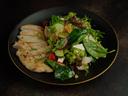
How Many Grams of Protein Should I Eat Per Meal?
For most adults, aiming for 25–40 grams of protein per meal is a solid starting point—enough to trigger muscle protein synthesis without going to waste. That said, your ideal amount depends on your total daily protein target, how many meals you eat, and your specific goals. A 150-pound person trying to build muscle has very different needs than someone just eating for general health.
What Is the Ideal Daily Calorie Intake for Adults?
There's no single magic number—your ideal daily calorie intake depends on your age, sex, height, weight, and activity level. Most adults fall somewhere between 1,600 and 3,000 calories per day, but your personal number could sit anywhere in that range. The best starting point is figuring out your calorie maintenance level first, then adjusting from there based on your goals.

How can I start a healthy lifestyle?
Start a healthy lifestyle by making small, sustainable changes: swap out a few processed foods for easy health foods, prep simple lunch meals once a week, and focus on consistency over perfection. You don't need to change everything at once—pick one habit to build this week, then add another next week.

What should I eat if I wanna lose weight?
Focus on whole foods like lean proteins, vegetables, fruits, and whole grains while creating a modest calorie deficit. High protein meals keep you fuller longer, making it easier to stick with healthy diets for weight loss without feeling deprived.
Take the 1-Minute Quiz
Answer a few quick questions and get a personalized meal plan built around your goals, food preferences, and daily routine.
Get My Personalized Meal Plan