
Frequently Asked Questions
Find answers about meal planning, nutrition, and healthy eating habits.

How Much Chicken Should You Eat Per Meal?
For most adults, 3–5 oz (85–140g) of cooked chicken per meal is a solid starting point. But your ideal portion depends on your body size, activity level, and overall protein goals for the day. If you're more active or trying to build muscle, you might push closer to 6–8 oz.

How Many Small Meals Should I Eat a Day?
Most people do well eating 4 to 6 small meals spread throughout the day—roughly every 3 to 4 hours. But honestly, the right number depends on your schedule, hunger levels, and health goals. There's no single magic number that works for everyone.

How Many Grams of Rice Should I Eat Per Meal?
For most adults, a standard serving of cooked rice is around 150–200 grams per meal (roughly ¾ to 1 cup). But the right amount really depends on your activity level, overall calorie needs, and what else is on your plate—so there's no single perfect number for everyone.
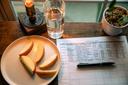
How Do You Create a Healthy Diet Plan That Actually Works?
Creating a healthy diet plan starts with understanding your daily calorie needs, then building balanced meals around whole foods—lean proteins, complex carbs, healthy fats, and plenty of vegetables. The key isn't perfection; it's consistency and making the plan work for your actual lifestyle, not someone else's.
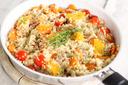
What Should I Eat on a Cut? A Simple, Realistic Guide
On a cut, you want to eat high-protein, whole foods that keep you full and preserve muscle—think lean meats, eggs, legumes, vegetables, and complex carbs. The goal isn't to eat as little as possible; it's to eat smarter. A modest calorie deficit (around 300–500 calories below maintenance) paired with the right foods makes the biggest difference.
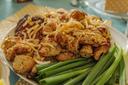
How Many Ounces of Meat Should You Eat Per Meal?
For most adults, 3 to 4 ounces of cooked meat per meal is the standard recommendation—roughly the size of a deck of cards. But your actual needs depend on your body weight, activity level, and health goals, so that number can shift anywhere from 2 to 6 ounces.
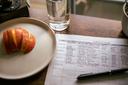
How Do You Create a Good Diet Plan That Actually Sticks?
A good diet plan starts with understanding your calorie needs, building balanced meals around whole foods, and leaving room for real life. It's not about perfection—it's about consistency you can actually maintain week after week.
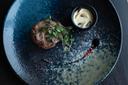
How Many Grams of Food Per Meal Should You Actually Eat?
For most adults eating 3 meals a day, a balanced meal falls somewhere between 400–700 grams of total food weight. But here's the thing—that number shifts quite a bit depending on your size, activity level, and what's actually on your plate. There's no single magic number.

What Can You Eat When You Are on a Diet?
When you're on a diet, you can eat a wide variety of whole foods—lean proteins, vegetables, fruits, whole grains, and healthy fats. The goal isn't to eat as little as possible. It's to eat the right things in the right amounts so you feel satisfied and build healthier eating habits that actually stick.
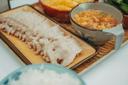
What Should I Eat to Reduce Belly Fat?
To reduce belly fat, focus on whole foods high in fiber and protein—think legumes, leafy greens, eggs, and oats—while cutting back on added sugars, refined carbs, and ultra-processed snacks. There's no single magic food, but the right combination creates a calorie environment where your body starts using stored fat for energy. Consistency matters far more than perfection here.

What Can I Do to Decrease My Appetite?
To decrease your appetite, focus on eating more protein and fiber, staying properly hydrated, and building consistent meal timing into your day. These aren't quick fixes—they're habits that actually retrain how hungry you feel over time. The right personalized eating plan makes a huge difference in keeping hunger manageable without feeling deprived.

What Should I Stop Eating to Lose Belly Fat?
To reduce belly fat, the biggest dietary culprits to cut back on are added sugars, refined carbs, alcohol, and ultra-processed snack foods. These don't just add empty calories—they spike insulin and actively encourage fat storage around your midsection. You don't need to be perfect, but reducing these consistently makes a real difference.

How Many Meals Per Day Should You Actually Eat?
There's no single magic number. Most people do well eating 3 balanced meals per day, but research shows meal frequency matters far less than the overall quality and quantity of what you eat. The best approach is whatever pattern you can realistically stick to.
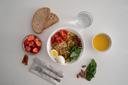
What Should I Eat When Dieting? A Practical Guide to Building Your Plate
When dieting, focus on whole proteins, fiber-rich vegetables, complex carbs, and healthy fats—not starvation. The goal isn't to eat as little as possible. It's to eat the right things in the right amounts for your body.

How Much Meals Should I Eat a Day?
Most people do well with 3 balanced meals a day, but honestly, there's no single right answer. How much meals you should eat a day depends on your hunger levels, schedule, activity, and health goals. What matters most is total nutrition quality—not the number of eating occasions.
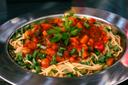
How Many Times Should You Eat a Day?
Most people do well eating 3 balanced meals a day, but there's no single magic number. Your ideal meal frequency depends on your hunger levels, schedule, blood sugar patterns, and health goals—and what works brilliantly for one person can completely backfire for another.

How Many Cups of Food Should I Eat Per Meal?
Most adults do well with about 2 to 2.5 cups of food per meal total—but it really depends on what's on your plate. A balanced meal typically combines roughly 1 cup of vegetables, half a cup of grains or starchy carbs, and a palm-sized protein portion. Your exact needs shift based on your size, activity level, and health goals.

What Should I Eat to Burn Belly Fat?
To burn belly fat, focus on high-protein foods, fiber-rich vegetables, and healthy fats that keep you full and support a calorie deficit. Think eggs, leafy greens, salmon, legumes, and whole grains—not complicated cleanses or supplements. Consistency with these foods, not perfection, is what actually moves the needle.

What Should I Eat on a Diet? A No-Nonsense Guide to Building Your Plate
Focus on whole proteins, fiber-rich vegetables, complex carbs, and healthy fats—these keep you full longer and give your body what it actually needs. You don't have to eat less, you just have to eat smarter. A balanced plate beats any extreme restriction plan, every time.
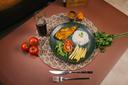
What Should I Be Eating to Lose Fat?
To lose fat, you want to focus on protein-rich whole foods, plenty of fiber, and meals that keep you full without going overboard on calories. It's not about eating less of everything—it's about eating more of the right things. Think lean proteins, vegetables, legumes, and complex carbs in portions that work for your body.
Take the 1-Minute Quiz
Answer a few quick questions and get a personalized meal plan built around your goals, food preferences, and daily routine.
Get My Personalized Meal Plan