
Frequently Asked Questions
Find answers about meal planning, nutrition, and healthy eating habits.
How Do You Design a Diet Plan That Actually Works for You?
Designing a diet plan starts with understanding your calorie needs, food preferences, and daily routine—not copying someone else's meal schedule. A good plan accounts for what you actually enjoy eating, how much time you have to cook, and what realistic balance looks like for your life. From there, it's about building consistent habits, not chasing perfection.

How Do You Create a Well Balanced Meal?
A well balanced meal combines a quality protein source, complex carbohydrates, healthy fats, and plenty of vegetables on one plate. A good rule of thumb is the plate method—half vegetables, a quarter protein, a quarter whole grains, plus a small amount of healthy fat. Get that ratio right consistently, and you're already ahead of most people.

How Do You Create a Weekly Menu (That You'll Actually Stick To)?
To create a weekly menu, start by picking 5-7 dinners based on what's already in your fridge, then work backwards to plan lunches and breakfasts around those ingredients. Once your meals are mapped out, build your shopping list from what's missing. The whole process takes about 20-30 minutes when you have a system.

How Do You Create a Meal Plan From Scratch?
Creating a meal plan starts with knowing your weekly schedule, your food preferences, and roughly how many meals you need to cover. From there, you build around balanced combinations of protein, carbs, and fat—then make a shopping list that matches. It sounds simple because, honestly, it is once you have a system.

How Do You Create a Healthy Meal?
Creating a healthy meal comes down to combining a quality protein source, complex carbohydrates, plenty of vegetables, and a small amount of healthy fat. You don't need to be a chef or count every calorie—you just need a simple framework to follow. Once you understand the basics, building balanced meals becomes second nature.

How Do You Create a Food Plan That You'll Actually Stick To?
Creating a food plan starts with understanding your daily calorie needs, mapping out meals you genuinely enjoy, and building in enough flexibility so it doesn't feel like a prison sentence. The goal isn't perfection—it's consistency. Start small, pick 3-4 meals you already like, and build from there.
How Do You Build Your Own Diet Plan That Actually Works?
Building your own diet plan starts with understanding your calorie needs, then structuring meals around whole foods that you actually enjoy eating. It's not about perfection—it's about creating a consistent routine that fits your real life. Get the basics right, and the rest follows naturally.
How Do You Create an Eating Plan That Actually Sticks?
Creating an eating plan starts with understanding your daily calorie needs, food preferences, and schedule—not copying someone else's diet. Build it around whole foods you actually enjoy, plan for realistic portion sizes, and leave room for the occasional off-plan meal. Consistency beats perfection every time.
How Do You Create a Macro Diet Plan That Actually Works?
Creating a macro diet plan means figuring out your daily calorie needs, then splitting those calories into specific targets for protein, carbohydrates, and fat. You track what you eat against those targets each day. It's not about perfection—it's about building a flexible structure that supports your health goals consistently.
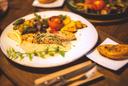
What Can I Eat to Reduce Weight? Foods That Actually Help
To reduce weight, focus on high-protein foods, fiber-rich vegetables, and whole grains that keep you full longer and help manage your calorie intake naturally. Think grilled chicken, lentils, leafy greens, eggs, and oats—not crash diets. The goal is building eating habits you can actually stick to, not a 3-day miracle plan.

What Can I Eat on the Arbonne 30 Days to Healthy Living Program?
The Arbonne 30 Day program focuses on whole, unprocessed foods—lean proteins, vegetables, fruits, legumes, and healthy fats. You'll cut out gluten, dairy, soy, caffeine, alcohol, and added sugars for the full 30 days. It's essentially a clean-eating elimination approach designed to help you build healthier eating habits and identify potential food sensitivities.
If I'm on a Diet, What Should I Eat?
If you're on a diet, focus on lean proteins, vegetables, whole grains, healthy fats, and fiber-rich foods that keep you full and energized. The goal isn't to eat as little as possible—it's to eat the right things in the right balance. A sustainable diet is built around real, whole foods, not restriction.

How Much Food Is Required Per Day for a Healthy Adult?
Most healthy adults need roughly 2,000–2,500 calories per day, spread across three food groups: proteins, carbohydrates, and fats—plus plenty of vegetables and water. But that number shifts based on your age, activity level, height, and health goals. There's no single universal answer, which is exactly why personalized guidance matters so much.

How Many Times Do We Eat in a Day?
Most adults eat 3 main meals per day, but there's no single "right" answer. Some people do well with 2 larger meals, others prefer 5-6 smaller ones. What matters most is total nutrition quality—not how many times the clock says you should eat.
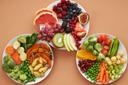
How Many Shakeology Shakes Per Day Should You Actually Have?
Most people do best with one Shakeology shake per day, typically as a meal replacement for breakfast or lunch. Having two in a single day isn't dangerous, but it's generally unnecessary—and at around 160 calories per serving, two shakes won't cover your full nutritional needs on their own. One shake, paired with whole foods, is the sweet spot for most lifestyles.

How Many Servings Should I Eat Per Meal?
Most adults need 1-3 servings per food group per meal, but it really depends on which food we're talking about. A serving of grains looks very different from a serving of vegetables—and your activity level, body size, and health goals all shift these numbers. There's no one-size answer here.

How Many Meals Per Day Should You Eat to Gain Weight?
Most people looking to gain weight do best eating 4 to 6 meals per day. The goal isn't just eating more often—it's consistently hitting a calorie surplus without feeling overwhelmed by huge portions. Spreading your intake across more meals makes that surplus much easier to reach.

How Many Meals Do You Eat Every Day?
Most people eat 3 meals a day, but there's no single right answer. Research shows that meal frequency—whether it's 2, 3, or 5 times daily—matters less than the total quality and quantity of what you eat. The best approach is the one you can actually stick to consistently.

How Many Meals Are There in a Day?
There's no single right answer—most people eat between 2 and 6 meals per day, depending on their goals, schedule, and how their body feels. The traditional "3 meals a day" model is a cultural norm, not a nutrition law. What matters most is total food quality and how well your eating pattern suits your lifestyle.

How Many Meals Are Needed in a Day?
There's no universal answer—most adults do well with 3 balanced meals a day, but some people thrive on 4-5 smaller ones. What matters most isn't the number of meals, but the total quality and quantity of food you're eating across the day.
Take the 1-Minute Quiz
Answer a few quick questions and get a personalized meal plan built around your goals, food preferences, and daily routine.
Get My Personalized Meal Plan