Frequently Asked Questions
Find answers about meal planning, nutrition, and healthy eating habits.

How Do You Build a Diet Plan That Actually Works?
Building a diet plan starts with understanding your calorie needs, then structuring meals around whole foods that you actually enjoy eating. It's not about perfection—it's about creating a consistent rhythm your body and schedule can work with. Get the basics right, and the rest follows.

How Many Oz of Meat Should I Eat Per Meal?
For most adults, 3 to 6 oz of cooked meat per meal is a solid target. That's roughly the size of a deck of cards to two decks. Your exact amount depends on your body weight, activity level, and how many meals you're eating throughout the day.
What Are Foods to Avoid When Losing Weight?
When you're trying to lose weight, the biggest offenders are ultra-processed foods, sugary drinks, refined carbs, and foods loaded with hidden calories that don't actually fill you up. It's not about eating perfectly—it's about knowing which foods quietly work against your goals. Swap the worst culprits first, and you'll likely notice a difference faster than you'd expect.

What Should I Eat for Breakfast to Lose Belly Fat?
Focus on a breakfast high in protein and fiber—think eggs, Greek yogurt, or oats paired with whole foods. These keep you full longer, reduce cravings later in the day, and support a calorie deficit without leaving you starving by 10am. There's no single magic food, but the right combination makes a real difference.
What Should I Eat When Cutting?
When cutting, focus on high-protein foods like chicken, eggs, and Greek yogurt, paired with fiber-rich vegetables and complex carbs to keep you full. You want a moderate calorie deficit—not a crash diet. Think sustainable, not extreme.
What Should I Eat While Dieting?
Focus on whole foods—lean proteins, vegetables, whole grains, and healthy fats. These keep you fuller longer and help you build healthier eating habits without feeling deprived. What you eat matters more than just how little you eat.
What Should I Eat to Get Rid of Belly Fat?
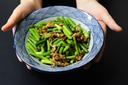
To reduce belly fat, focus on whole foods that are high in fiber, lean protein, and healthy fats—think vegetables, legumes, eggs, salmon, and avocado. There's no single magic food, but cutting back on refined carbs and added sugars while eating more whole, minimally processed foods makes a real difference. Consistency with your overall eating pattern matters far more than any individual ingredient.
How Many Oz of Food Should I Eat Per Meal?
Most adults eat somewhere between 12–20 oz of total food per meal, but that number shifts a lot depending on the foods involved and your individual needs. A balanced dinner plate, for example, might include 4 oz of protein, 6 oz of vegetables, and 4–6 oz of a starch. The best approach isn't one-size-fits-all—it depends on your activity level, body size, and goals.

How Many Ounces Should You Eat Per Meal?
Most adults do well eating somewhere between 12 and 20 ounces of food per meal, depending on their size, activity level, and goals. That breaks down to roughly 3–5 oz of protein, 4–6 oz of vegetables or grains, and some healthy fat. But honestly, the right amount varies a lot from person to person.

What Should I Eat to Get Skinny?
There's no single 'skinny food'—but building meals around whole proteins, fiber-rich vegetables, and complex carbs is genuinely effective. The goal isn't restriction, it's crowding out low-quality foods with ones that actually keep you full. Getting the balance right for your body is where a personalized approach makes the biggest difference.

How Many Meals and Snacks Should I Eat a Day?
Most people do well with 3 balanced meals and 1-2 snacks per day, but there's no single magic number. What matters most is that your meal frequency matches your hunger cues, lifestyle, and total daily nutrition—not some rigid rule someone told you to follow.

How Many Grams Should I Eat Per Meal?
Most adults eat somewhere between 400–700 grams of food per meal, but the number that actually matters is your macronutrient breakdown—protein, carbs, and fat. A balanced main meal typically includes 25–40g protein, 40–60g carbohydrates, and 15–25g fat, though your personal targets depend on your body weight, goals, and how many meals you eat daily.

What Diet Should I Follow to Lose Belly Fat?
There's no single magic diet, but the research is pretty clear: a whole-foods-based eating pattern that controls refined carbs, added sugars, and excess calories consistently outperforms fad diets for reducing belly fat. What diet should be taken for losing weight depends heavily on your current habits, preferences, and how your body responds to certain foods. A sustainable, personalized approach beats any 30-day fix every single time.

How Do You Actually Begin a Healthy Lifestyle (Without Burning Out in Week One)?
Beginning a healthy lifestyle comes down to three things: cleaning up what you eat, moving your body consistently, and building habits small enough that you won't quit. You don't need a perfect plan on day one—you need a starting point. Pick one area, nail it for two weeks, then layer in the next.
What Type of Food Should I Eat to Gain Weight?
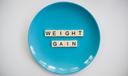
To gain weight healthily, focus on calorie-dense whole foods like nuts, whole grains, lean proteins, and healthy fats—not just junk food. The goal is to eat more calories than you burn each day, but from quality sources that actually fuel muscle and energy. A structured meal plan makes this a lot easier to stick to consistently.
What Should I Do After Eating to Avoid Belly Fat?
After eating, focus on light movement, good posture, and giving your body time to digest properly—avoid lying down or sitting completely still for long stretches. Small habits like a 10-minute walk or staying upright can make a real difference over time. It's not about one magic trick; it's about what you do consistently.
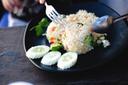
What Food Should I Eat to Lose Fat?
To lose fat, focus on whole proteins, fiber-rich vegetables, and complex carbs that keep you full and steady your blood sugar. Cutting ultra-processed foods, added sugars, and refined grains makes a bigger difference than most people realize. It's not about eating less of everything—it's about eating more of the right things.
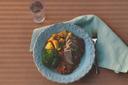
To Lose Belly Fat, What Should I Eat?
To lose belly fat, focus on whole proteins, fiber-rich vegetables, healthy fats, and complex carbs—while cutting back on added sugars and ultra-processed foods. There's no single magic food, but the right combinations can absolutely shift things in the right direction. It's about building a consistent eating pattern, not a one-week fix.
How Many Times Should You Eat a Day?
Most adults do well eating 3 balanced meals a day, but some people genuinely feel better with 4-5 smaller meals. There's no magic number—what matters most is your total food quality, portion sizes, and how well the schedule fits your actual life. Your body, your schedule, and your goals all play a role.
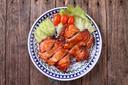
How Much Meat Should I Eat Per Meal?
For most adults, a single meal serving of meat is around 3–4 oz (85–113g) cooked—roughly the size of a deck of cards. That said, your ideal portion depends on your body weight, activity level, and total daily protein needs. It's not one-size-fits-all.
Take the 1-Minute Quiz
Answer a few quick questions and get a personalized meal plan built around your goals, food preferences, and daily routine.
Get My Personalized Meal Plan