
Sunday Food Prep: The Realistic Guide to Actually Getting It Done
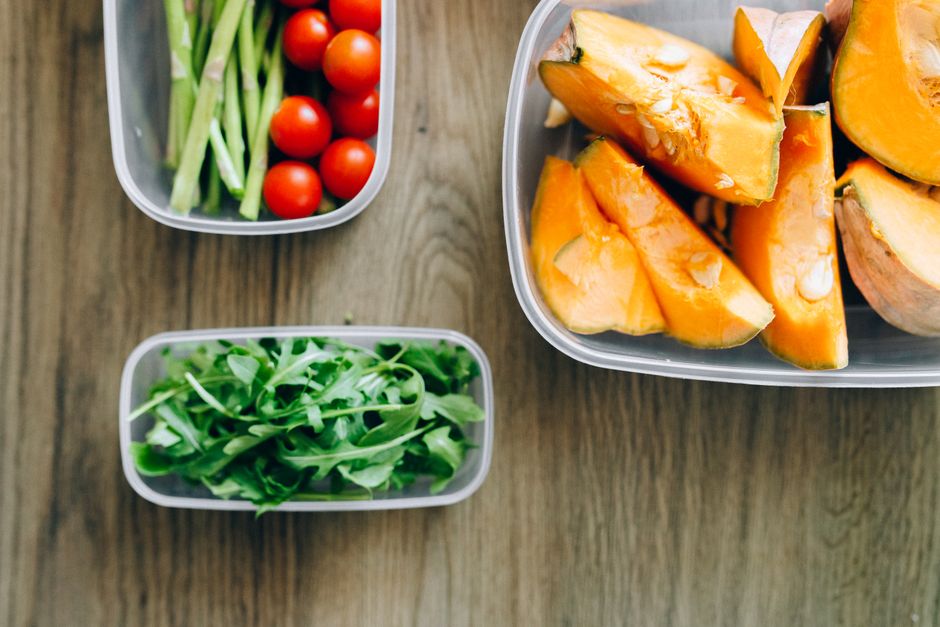
Why Sunday Is the Best Day to Prep (And Why Most People Quit After Week Two)
Sunday food prep is one of those habits that sounds brilliant in theory but falls apart fast in practice. You've seen the Instagram posts—color-coded containers, perfectly portioned meals, spotless countertops. And then you try it yourself, spend four hours in the kitchen, and swear you'll never do it again.
Sound familiar?
Here's the thing: most people overcomplicate it. They try to prep every meal for seven days, tackle five new recipes at once, and treat it like a professional catering event. No wonder it burns them out.
Done right, Sunday food prep takes 1–2 hours, sets you up for most of the week, and genuinely makes your Monday-through-Friday less stressful. This guide is about making that happen—without the chaos or the burnout.
What You Actually Need to Prep (And What You Don't)
Not everything needs to be prepped on Sunday. That's the first shift in thinking you need to make.
Focus on the things that take the most time or cause the most weeknight friction. For most people, that's grains, proteins, and vegetables. If you have those three components ready, you can throw together a solid meal in under 10 minutes flat—no recipe required.
The Big Three: Grains, Proteins, Vegetables
Grains are a no-brainer. Cook a big batch of brown rice, quinoa, farro, or even pasta on Sunday. A cup of dry quinoa yields about three cups cooked—that's easily four or five servings. Store it in the fridge and it holds well for five days.
Proteins are where most people save the most time. Roast a tray of chicken thighs, hard-boil a dozen eggs, cook a pound of ground turkey, or bake some salmon fillets. These form the backbone of your lunches and dinners all week. Chicken thighs in particular are forgiving—they reheat well without drying out, which is more than you can say for chicken breasts.
Vegetables are the wildcard. Some veg holds up beautifully after prepping (roasted broccoli, bell pepper strips, shredded cabbage, cooked sweet potato). Others turn soggy fast (zucchini, cucumbers, leafy greens dressed with vinaigrette). Know the difference and prep accordingly.
The Supporting Cast Worth Prepping
- Washed and spun salad greens (store with a paper towel in the container)
- Chopped onions and garlic (saves massive time mid-week)
- A batch of overnight oats or chia pudding for weekday breakfasts
- Homemade dressings or sauces (a tahini dressing or simple vinaigrette takes five minutes)
That's it. You don't need to prep snacks, desserts, every single sauce, and three varieties of dips. Keep it lean and you'll actually stick with it.
A Practical Sunday Food Prep Timeline
The secret to making this efficient is parallelism—running multiple things at once instead of doing them one by one. Here's how a realistic 90-minute prep session looks.
First 10 Minutes: Get Everything Moving
Start with whatever takes the longest. Preheat the oven to 400°F (200°C). Get your grains on the stove. Put eggs in a pot for hard-boiling. Season and get your protein ready to go on a baking sheet. The goal is to have three things happening simultaneously before you do anything else.
Minutes 10–40: Active Prep While Things Cook
While your chicken roasts and your quinoa simmers, do your chopping. Work through your vegetables systematically—wash, dry, chop, store. Prep your onions and garlic. Make your salad dressing. This is also a good time to portion out nuts, seeds, or any snacks you want grab-and-go access to during the week.
Minutes 40–80: Finish Cooking, Start Storing
Pull your proteins and roasted veg out of the oven (or off the stove). Let everything cool for a few minutes—putting hot food straight into containers creates condensation and speeds up spoilage. While things cool, clean as you go. It makes the final cleanup much less painful.
Last 10 Minutes: Container Tetris
Portion everything into containers. Label them if you've got multiple people in the household. Put the things you'll use first at the front of the fridge. Done.
A Sample Sunday Food Prep Plan (Real Food, No Complexity)
Let's make this concrete. Here's a simple prep plan that covers lunches and dinners for most of the week.
What You're Prepping
- 2 cups dry brown rice — yields about 5 cups cooked
- 6 bone-in chicken thighs — seasoned with olive oil, garlic, smoked paprika, salt
- 2 large sweet potatoes — cubed and roasted with olive oil and cumin
- 1 large head of broccoli — cut into florets, roasted alongside the sweet potato
- 8 hard-boiled eggs
- A batch of tahini dressing — tahini, lemon juice, garlic, water, salt
With these six components, your weekday meals practically build themselves. Brown rice + chicken + broccoli + tahini dressing = a solid lunch bowl. Sweet potato + egg + leftover greens = a quick dinner. The combinations are endless and nothing gets boring fast because you're mixing and matching, not eating the same meal on repeat.
Keeping It Interesting Mid-Week
The monotony trap is real. The fix is to keep a few flavor-changers on hand—hot sauce, different dressings, fresh herbs, a can of chickpeas or black beans you can throw in. These don't need prepping, but having them available means your prepped components can taste completely different on Tuesday versus Thursday.
Storage Rules That Actually Matter
Cooked grains and proteins last 4–5 days in the fridge. Raw prepped vegetables (like chopped peppers or shredded cabbage) last 3–5 days depending on the vegetable. Hard-boiled eggs, unpeeled, stay good for a week. Leafy greens hold up best when stored dry—a damp paper towel in the container helps maintain humidity without making them soggy.
Glass containers are genuinely worth the investment. They don't absorb odors, they're microwave-safe, and they make your fridge look organized (which is weirdly motivating). That said, good-quality BPA-free plastic works fine if that's what you have.
One more thing—don't prep too far ahead. If you prep everything on Sunday for the following Sunday, you're going to throw a lot of food away. Five days is the sweet spot for most cooked foods.
How to Build a Sunday Prep Routine That Actually Sticks
Habit research consistently shows that linking a new behavior to an existing one dramatically improves follow-through. This is called habit stacking. For Sunday food prep, that might look like: every Sunday after grocery shopping, you start your prep session. The grocery run is already happening—you're just attaching the prep directly to it.
Start smaller than you think you need to. Your first Sunday, prep just one grain and one protein. That's it. Get comfortable with the rhythm before you scale up. Most people who quit did too much too soon and made it feel like a chore rather than a system.
Make It Enjoyable—Seriously
Put on a podcast you love. Make a playlist. Pour yourself something you enjoy. Sunday food prep can be meditative if you let it. It's one of those rare chunks of time where you're doing something productive but it doesn't require your full mental attention. Use that.
Adjust to Your Actual Week
Not every week looks the same. Some weeks you've got three dinners out and barely need to prep anything. Other weeks you're eating at home every single night. Your Sunday prep should reflect your actual schedule—not some idealized version of it. This is where a personalized approach really pays off. Our meal planning quiz at ProperDietPlan can help you figure out exactly how much prep makes sense for your lifestyle, your goals, and what you actually like to eat.
Common Sunday Prep Mistakes (And How to Dodge Them)
Trying to prep everything is the biggest one—we've covered that. But here are a few others worth calling out.
Prepping foods you don't actually like. It seems obvious, but people prep "healthy" foods they're lukewarm about and then don't eat them. Prep foods you genuinely enjoy. If you don't like quinoa, make farro. If plain chicken bores you, marinate it in something you love.
Skipping the plan. Going into Sunday prep without knowing what you'll actually make during the week is a recipe for forgetting what you have. Spend five minutes on Saturday night mentally mapping out three to four meals. It makes Sunday way more efficient.
Not accounting for freezer-friendly options. Some things—soups, chili, cooked grains, marinated uncooked proteins—freeze beautifully. If you make a big batch of lentil soup, freeze half of it. Future-you will be very grateful.
Using the wrong containers. Storing everything in one giant container means you have to dig through it every time. Smaller, portion-sized containers make grabbing and going genuinely easy—which is the whole point.
The Bigger Picture: What Sunday Prep Is Actually For
At its core, Sunday food prep isn't really about food. It's about removing decisions during the week when your willpower and energy are at their lowest. After a long workday, standing in front of the fridge trying to figure out dinner from scratch is when people grab takeout or reach for whatever's fastest—not because they don't care about eating well, but because the friction is just too high.
Prep reduces that friction. It makes the healthy choice the easy choice. And over time, that compounds into genuinely better eating habits—not because you're being disciplined, but because you've built a system that makes it effortless.
That's the goal. Not perfection. A system that works for real life.
Frequently Asked Questions
How long does Sunday food prep actually take?
For most people, a solid Sunday prep session takes between 60 and 90 minutes. If you're prepping a lot of variety or cooking multiple proteins, it might stretch to two hours. The key is running things simultaneously—grains on the stove, protein in the oven, and chopping veg at the same time—rather than doing everything one after another. Once you've done it a few times, you'll find your own rhythm and it'll feel much faster.
What foods keep best after Sunday food prep?
Cooked grains like brown rice, quinoa, and farro hold up well for 4–5 days in the fridge. Roasted chicken thighs and cooked ground meat also last 4–5 days. Hard-boiled eggs (unpeeled) stay good for up to a week. Roasted vegetables like broccoli, sweet potato, and bell peppers are good for 4 days. Leafy greens last 3–5 days if stored dry with a paper towel. Avoid prepping anything that gets soggy quickly, like sliced cucumbers or dressed salads—make those fresh when you need them.
Is Sunday food prep worth it if I only cook for one person?
Absolutely—arguably more so. Cooking for one often means either wasting food or eating the same thing on repeat. Sunday prep gives you a framework. Cook a small batch of two or three components and mix and match them into different meals throughout the week. You might do one cup of dry quinoa, three chicken thighs, and a couple of roasted vegetables. That's genuinely enough to build four or five different meals without repetition, and nothing goes to waste because you planned it out from the start.
Related Articles
Take the 1-Minute Quiz
Answer a few quick questions and get a personalized meal plan built around your goals, food preferences, and daily routine.
Get My Personalized Meal Plan