
Low Cal Veggie Meals That Actually Keep You Full (No Sad Salads Here)
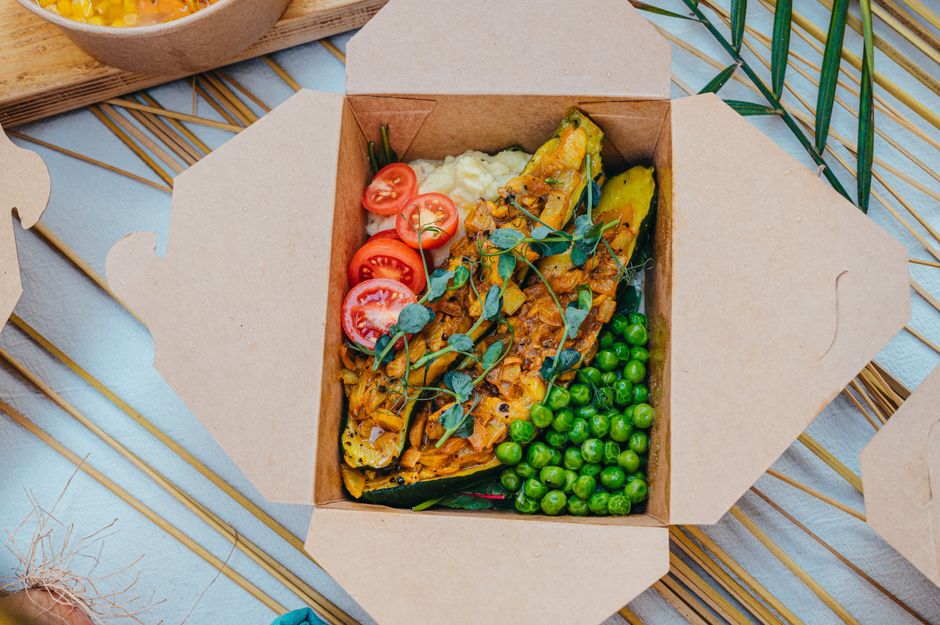
Why Low Cal Veggie Meals Get a Bad Reputation
Be honest—when someone says "low calorie vegetable meal," your brain probably jumps to a sad bowl of iceberg lettuce with a squeeze of lemon. Sound familiar? That image has done a lot of damage. People assume eating fewer calories from plant-based foods means eating less food, less flavour, and less satisfaction. But that's just not true.
The real secret to making low cal veggie meals work is volume eating—using foods that are naturally high in water, fibre, and nutrients so you're eating a genuinely large, satisfying plate. A 400-calorie bowl of roasted vegetables, lentils, and tahini dressing is a completely different experience from a 400-calorie bag of crisps. Same number. Entirely different outcome.
So here's what we're going to do: walk through the meals, the ingredients, and the building blocks that actually make plant-based eating feel like enough.
The Ingredients Doing the Heavy Lifting
Before the meals themselves, it's worth understanding which vegetables and plant proteins give you the most bang for your calorie buck. Not all veggies are equal when it comes to keeping hunger at bay.
High-volume, low-calorie vegetables
These are your workhorses—foods you can pile onto a plate without worrying about the numbers:
- Courgette (zucchini): Around 17 calories per 100g. Roasts beautifully, absorbs flavour like a sponge.
- Cauliflower: 25 calories per 100g. Incredibly versatile—rice it, roast it, blend it into a creamy soup.
- Spinach and kale: Under 35 calories per 100g for either. Bulk out any dish without adding meaningful calories.
- Mushrooms: About 22 calories per 100g and meaty enough to feel satisfying. Portobello mushrooms especially.
- Broccoli: 34 calories per 100g, plus a solid hit of fibre and vitamin C.
And then you need something to anchor the meal—something with protein and staying power. Lentils (around 116 calories per 100g cooked), chickpeas (164 calories per 100g cooked), and edamame (121 calories per 100g) are your go-to options. They turn a side dish into an actual meal.
Six Low Cal Veggie Meals Worth Actually Making
1. Spiced Red Lentil Soup
This is one of those meals that costs almost nothing, takes about 25 minutes, and genuinely keeps you full for hours. A single bowl—roughly 300–350 calories—gives you fibre, plant protein, and enough warmth that it works on a cold Tuesday night or a meal-prep Sunday.
The base is simple: red lentils, canned tomatoes, onion, garlic, cumin, smoked paprika, and vegetable stock. Add a squeeze of lemon at the end and it comes alive. Serve with a small piece of wholegrain bread and you're looking at a complete meal under 450 calories.
2. Roasted Veggie and Chickpea Bowls
Sheet pan meals are underrated—especially for people who hate doing dishes. Toss chickpeas, broccoli, red pepper, and red onion in a teaspoon of olive oil with garlic powder and chilli flakes. Roast at 200°C for 25 minutes. Serve over cauliflower rice or a small portion of regular brown rice.
The whole bowl sits around 380–420 calories depending on your portions, and the chickpeas give it enough protein (roughly 10–12g) to feel like a proper dinner.
3. Courgette Noodles with Pesto and Cherry Tomatoes
Yes, courgetti is a cliché. But it's a cliché because it works. Spiralise two medium courgettes (about 60 calories total), toss with a tablespoon of good basil pesto, halved cherry tomatoes, and a handful of spinach wilted in the pan. Top with a tablespoon of nutritional yeast for a cheesy, nutty finish.
You're looking at around 220–250 calories. It's light—perfect as a lunch or a side. If you want it more filling, add 80g of cooked lentils or a soft-boiled egg.
4. Black Bean and Vegetable Stuffed Peppers
Hollow out two large bell peppers and fill them with a mixture of black beans, sweetcorn, diced tomatoes, onion, cumin, and a little chilli. Bake at 180°C for 30 minutes until the peppers are tender.
Two stuffed peppers come in at roughly 350 calories and pack around 14g of protein from the beans. Add a dollop of plain Greek yoghurt on top if you want a creamy finish—it adds maybe 20 calories and a nice tang.
5. Miso Mushroom and Tofu Stir-Fry
This one sounds fancier than it is. Firm tofu (press it first—don't skip that step), sliced mushrooms, pak choi, and spring onions, stir-fried in a miso-ginger sauce made from a tablespoon of white miso paste, a teaspoon of sesame oil, fresh ginger, and a splash of low-sodium soy sauce.
Served over 150g of cooked cauliflower rice, this meal lands at around 300–330 calories with an impressive 20g of protein from the tofu. It's genuinely one of the most satisfying low cal veggie meals on this list.
6. Warming Butternut Squash and Cannellini Bean Stew
Butternut squash is slightly higher in calories than courgette or cauliflower (around 45 per 100g cooked), but it's so filling and naturally sweet that a smaller portion goes a long way. Combined with cannellini beans, tinned tomatoes, rosemary, and vegetable stock, this becomes a rich, hearty stew—around 320 calories per generous serving.
Building a Week of Low Cal Veggie Eating Without Losing Your Mind
Here's the thing about meal planning—it doesn't have to be a colour-coded spreadsheet. It just needs a little structure. The approach we recommend at ProperDietPlan is to pick 3–4 core recipes per week, batch cook the components (a big pot of lentils, roasted veggies, cooked grains), and mix and match from there.
So your lentil soup becomes Monday's dinner and Tuesday's lunch. Your roasted chickpea and veggie mix goes into a wrap on Wednesday. It's not boring—it's efficient.
And if you're not sure where to start with this kind of planning? Our personalised meal planning quiz can help match you with a structure that fits your lifestyle, your calorie goals, and your actual food preferences—not a generic template.
A few simple rules that make this easier
Keep your freezer stocked with frozen edamame, peas, and spinach. These add volume and nutrition in under two minutes. Always have canned legumes on hand—chickpeas, lentils, and black beans are the fastest protein sources you can find. And batch-cook your grains on Sunday. A big pot of brown rice or quinoa in the fridge means you're never starting from zero.
What About Protein—Are You Actually Getting Enough?
This is the question that comes up every time someone considers plant-based eating, and it's fair. The short answer: yes, you can absolutely hit adequate protein on low cal veggie meals—but you do need to be intentional about it.
A 2022 review published in Nutrients found that well-planned plant-based diets can meet protein needs across all adult age groups when a variety of legumes, soy products, and whole grains are included. The key word is variety. Relying only on salad greens won't cut it. But building meals around lentils, tofu, tempeh, edamame, chickpeas, and Greek yoghurt (if you're vegetarian rather than vegan) absolutely will.
Aim for at least one legume or soy-based protein source at every main meal. It's simpler than it sounds once you make it a habit.
The Bottom Line
Low cal veggie meals aren't a punishment. They're an opportunity to eat more food—more volume, more fibre, more colour—while keeping calories in a range that supports your health goals. The meals above prove you don't need meat or massive calorie counts to feel genuinely full and satisfied.
Start with one or two recipes this week. See how you feel. Build from there. And if you want a more personalised roadmap, take our meal planning quiz—it's designed to help you figure out exactly what a sustainable, balanced eating plan looks like for you specifically.
Frequently Asked Questions
Are low cal veggie meals actually filling enough?
Yes—when they're built correctly. The key is combining high-volume, high-fibre vegetables (like broccoli, courgette, and cauliflower) with a protein source like lentils, chickpeas, or tofu. Fibre and protein together slow digestion and help regulate hunger hormones, so a 350–400 calorie plant-based meal can absolutely keep you full for 3–4 hours. Meals that rely only on leafy greens with no protein or fat won't do the job—balance is what makes the difference.
What's the lowest calorie vegetable that's still nutritious?
Spinach is hard to beat—it comes in at around 23 calories per 100g and delivers iron, folate, vitamin K, and vitamin C. Courgette (17 cal/100g), cucumber (16 cal/100g), and celery (about 14 cal/100g) are even lower in calories, but they're mostly water. For nutritional density combined with low calories, spinach, broccoli, and kale are the top picks.
How do I make sure I'm getting enough protein on low cal veggie meals?
Include at least one legume or soy-based food at every main meal. Lentils (about 9g protein per 100g cooked), chickpeas (9g), firm tofu (8–10g per 100g), edamame (11g per 100g), and tempeh (around 19g per 100g) are the most practical options. Mixing sources throughout the day—rather than relying on one food—helps you cover all essential amino acids and hit a reasonable daily protein target even on a plant-based, lower-calorie eating plan.
Related Articles
Take the 1-Minute Quiz
Answer a few quick questions and get a personalized meal plan built around your goals, food preferences, and daily routine.
Get My Personalized Meal Plan