
How to Prep for the Week: A Simple System That Actually Sticks
Why Most People Quit Meal Prep After One Week
You've probably been there. Sunday afternoon, ambitious playlist on, every pot in the kitchen dirty—and by Wednesday you're eating cereal for dinner because you're sick of the same four containers of brown rice and chicken breast. Sound familiar?
The problem isn't meal prep itself. It's the approach. Most people try to cook 21 identical meals in one sitting, get overwhelmed, and give up. A smarter system looks completely different—and it's way less painful.
When you prep for the week the right way, you're not batch-cooking every single meal. You're setting up building blocks: cooked grains, prepped proteins, washed vegetables, and a couple of ready-to-go sauces. From those, dinner on Tuesday takes 10 minutes. Lunch on Thursday takes five.
The 90-Minute Sunday Method
Here's the thing—you don't need a whole afternoon. Most effective weekly prep takes 60 to 90 minutes if you work with a plan. The key is overlapping your cooking times so nothing is just sitting there while you wait.
Start with whatever takes longest. Roasting a sheet pan of vegetables at 425°F takes about 25–30 minutes hands-off. While that's in the oven, cook a grain on the stovetop—quinoa, brown rice, or farro all work. While those are going, prep your protein. That's three things cooking simultaneously, and you're barely lifting a finger.
What to Actually Prep (Keep It to Five Things)
Trying to prep everything leads to decision fatigue before you've even finished shopping. Instead, aim for five core components each week:
- One grain: Brown rice, quinoa, or whole wheat pasta (make a big batch—about 3 cups dry)
- One or two proteins: Baked chicken thighs, hard-boiled eggs, or canned chickpeas rinsed and ready
- Roasted vegetables: Whatever's in season—broccoli, sweet potato, zucchini, bell peppers
- A fresh element: Washed salad greens or sliced cucumbers you don't cook but just have ready
- A sauce or dressing: Tahini lemon dressing, a simple tomato sauce, or even just pesto from a jar
That's it. Five things. Mix and match them across the week and you've got grain bowls, wraps, salads, stir-fries—without cooking from scratch every night.
Building Your Weekly Prep Grocery List
The prep session itself is only as good as your shopping. If you walk into the store without a plan, you'll spend $80 on random ingredients that don't go together and then order pizza by Thursday anyway.
Before you shop, decide on a loose theme for the week. Not every meal—just a general direction. Mediterranean flavors? Think chickpeas, cucumber, feta, lemon, and olives. Asian-inspired? Stock up on edamame, sesame oil, ginger, and rice. This keeps your prep components cohesive so meals actually taste intentional, not like fridge leftovers jammed together.
A Real Example: What One Week of Prep Looks Like
Let's say you spend Sunday prepping these five things: 2 cups dry brown rice (cooked), 1.5 lbs baked chicken thighs (seasoned simply with garlic, olive oil, salt), one large sheet pan of roasted broccoli and sweet potato, a big container of washed romaine, and a batch of tahini dressing.
Monday night: grain bowl with rice, chicken, roasted veg, tahini dressing. Done in 5 minutes.
Tuesday lunch: chicken and romaine salad with whatever else is in your fridge—avocado, cherry tomatoes, the dressing again.
Wednesday: you're tired. Scramble two eggs, throw them over rice with soy sauce and the leftover roasted broccoli. Dinner: 8 minutes.
Thursday: your chicken is almost gone, so you open a can of black beans, toss them with remaining sweet potato and rice, add hot sauce. Done.
That's four meals built from one prep session. No recipe required. No stress.
The Storage Setup That Makes or Breaks Your Week
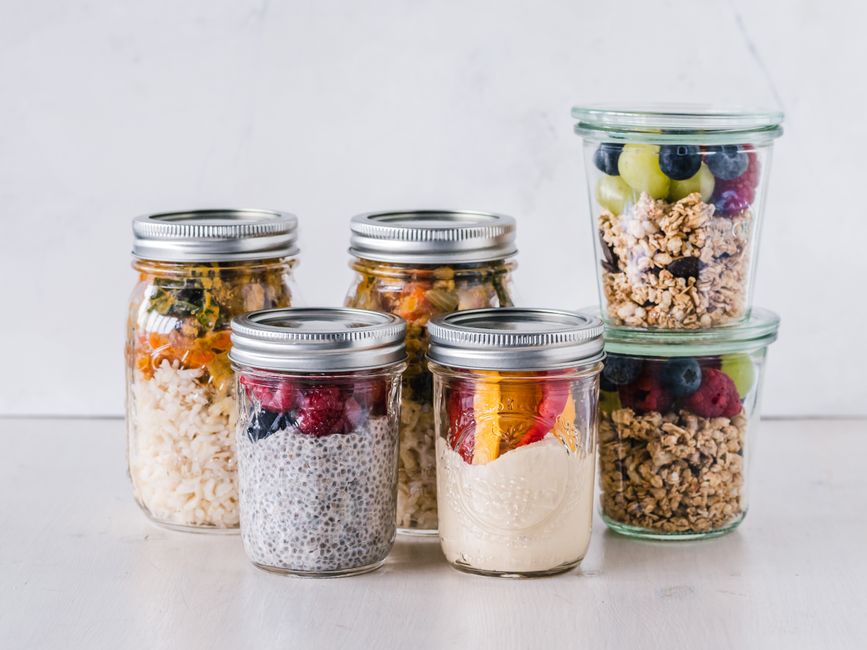
Good containers matter more than people realize. If your prepped food is shoved in mismatched bowls covered in cling wrap, you'll mentally avoid opening the fridge. Glass containers with locking lids—like Pyrex snap-top sets—make a real difference. You can see exactly what's in there, they stack cleanly, and they go straight from fridge to microwave.
Store components separately, not pre-assembled. Pre-built salads go soggy. Pre-sauced grains get gummy. Keep things in individual containers and assemble at mealtime. It takes 45 extra seconds and your meals will actually taste good on day four.
Label with the date if you're the type to forget. Cooked grains and proteins typically last 4–5 days in the fridge. Roasted vegetables hold up well for 3–4 days. Fresh greens, once washed and dried, can last up to a week if stored with a paper towel to absorb moisture.
When Sunday Doesn't Happen (Because Life)
Here's a reality check—some weeks you won't prep on Sunday. Maybe you traveled, had a late night, or just didn't feel like it. That's not failure. That's life.
The backup plan? A mid-week mini-prep. Wednesday evening, spend 20 minutes: boil some eggs, cook a quick pot of pasta, rinse a can of beans, wash some produce. You're not starting from zero—you're just resetting. Even 20 minutes of prep on a Wednesday beats zero prep and $15 takeout five nights in a row.
And honestly, this is where having a personalized plan helps. Everyone's week looks different. If your schedule is unpredictable, a rigid five-meal prep plan will always feel like a burden. Our personalized meal planning quiz can help you figure out a prep style that actually fits your lifestyle—not some idealized Sunday-morning version of it.
Small Habits That Make Weekly Prep Easier Over Time
The people who stick with weekly food prep long-term aren't more disciplined than you. They've just built small habits that reduce friction.
- Keep a running "prep list" on your phone—add to it throughout the week when you notice you're out of something
- Pick a consistent prep time and treat it like a standing appointment (Sunday at 4pm, every week)
- Start smaller than you think you need to—one or two prepped components is infinitely better than none
- Rotate two or three "prep menus" so you're not reinventing the wheel every week
That last point is underrated. Having two or three go-to prep rotations—Mediterranean week, Asian-inspired week, Mexican-flavored week—means you spend zero mental energy deciding what to prep. You just pick a rotation and shop accordingly.
Prep for the Week Without the Overwhelm
The whole point of prepping food for the week is to make your life easier, not to create a second job. If your current system feels like a chore, it's not working—and that means adjusting the system, not pushing harder through something that doesn't fit.
Start with one prep session. Make rice. Roast some vegetables. Bake a protein. See how that changes your week. Most people who try even a minimal version of this notice a real difference by Wednesday—fewer decisions, less stress, and meals that feel more intentional than reactive.
Build from there. The goal isn't perfection. It's just a little more control over what you eat, without it taking over your entire weekend.
Frequently Asked Questions
How long does it actually take to prep food for the week?
Most people can do a solid weekly prep session in 60–90 minutes if they work efficiently—overlapping cooking times and sticking to five core components (a grain, a protein, roasted vegetables, a fresh element, and a sauce). If that feels like too much, start smaller: even 20–30 minutes of prep makes a real difference during the week.
What foods prep best for the week without going bad?
Cooked grains like brown rice, quinoa, and farro hold up well in the fridge for 4–5 days. Roasted vegetables last 3–4 days. Hard-boiled eggs keep for up to a week. Washed and dried salad greens last 5–7 days stored with a paper towel. Avoid assembling full meals in advance—keep components separate so textures stay fresh until you're ready to eat.
What if I don't have time to prep on Sundays?
Sunday prep is popular because it lines up before the work week, but it's not the only option. A Wednesday evening mini-prep—even 20 minutes to boil eggs, cook a pot of pasta, or rinse some canned beans—can reset your week midway through. The best prep day is whichever one you'll actually do consistently.
Related Articles
Take the 1-Minute Quiz
Answer a few quick questions and get a personalized meal plan built around your goals, food preferences, and daily routine.
Get My Personalized Meal Plan