
The Ultimate 2 Week Grocery List (That Actually Saves You Money and Stress)
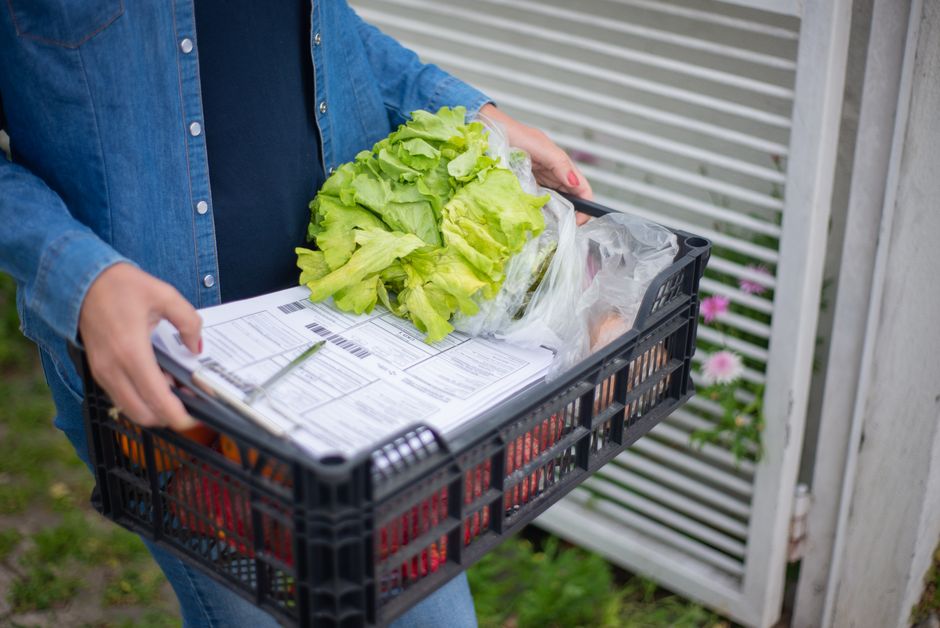
Most people grocery shop the same way every week: wander the aisles, grab what looks good, forget three things, and come home with chips they didn't plan for. Sound familiar? There's a better way—and it starts with planning two weeks out instead of one.
A well-built 2 week grocery list doesn't just cut your store trips in half. It reduces food waste, saves a surprising amount of money (we're talking $50–$100 a month for a single household), and takes the daily "what's for dinner?" panic completely off the table.
Here's how to actually build one—plus a real, usable list you can steal right now.
Why Two Weeks Beats One Week Every Time
If you've only ever worked with a 1 week grocery list, switching to a two-week system feels like a big leap. But once you do it, you'll wonder why you waited.
The math is simple. Fewer trips = less impulse buying = lower bills. A 2019 study by the Food Marketing Institute found that shoppers spend an average of $7 extra per unplanned store visit. Cut out 4 trips a month and you've saved almost $30 before you've changed a single thing about what you eat.
There's also the mental load factor. Decision fatigue is real. When your fridge is stocked and your meals are loosely planned, you don't have to think as hard every evening. That's a genuine quality-of-life upgrade.
The Key to Making a 2 Week List Work
Here's the thing people get wrong: they try to buy everything fresh for two weeks. That doesn't work. The secret is dividing your list into long-shelf-life staples and fresh items—and planning your meals accordingly.
Week 1: Lean on fresh produce and proteins
Use your more perishable ingredients in the first 7 days. Think fresh chicken breasts, spinach, berries, and soft vegetables like zucchini or bell peppers. These are your Week 1 stars.
Week 2: Shift to hardier ingredients
By day 8, you're working with ingredients that last—frozen salmon, canned chickpeas, root vegetables like carrots and sweet potatoes, cabbage, and hard cheeses. These hold up easily for 10–14 days without any quality loss.
It's a simple mental shift, but it makes the whole system click.
Your Real 2 Week Grocery List (Printable-Style)
This list is built for 1–2 people. If you're building a 2 week grocery list for 1, you can scale most items down by about 30%. We've organized it by category so you can move through the store efficiently.
Proteins
- Boneless chicken breasts or thighs – 1.5 kg (freeze half for Week 2)
- Ground beef or turkey – 500g
- Canned tuna – 4 cans
- Canned chickpeas or black beans – 3 cans
- Eggs – 2 dozen
- Frozen salmon fillets – 500g
A quick note on eggs: they're one of the most versatile, affordable proteins you can buy. Scrambled for breakfast, hard-boiled for snacks, or thrown into a fried rice situation for dinner—they cover a lot of ground across two weeks.
Grains and Carbs
- Brown rice – 1 kg bag
- Rolled oats – 500g
- Whole wheat pasta – 500g
- Whole grain bread – 1 loaf (freeze half)
- Quinoa – 400g
Fresh Produce (Week 1 Focus)
- Spinach or mixed greens – 200g bag
- Bell peppers – 4
- Zucchini – 3
- Bananas – 1 bunch
- Berries (fresh or frozen) – 300g
Hardy Produce (Weeks 1 and 2)
- Carrots – 1 kg bag
- Sweet potatoes – 1 kg
- Cabbage – 1 small head
- Garlic – 1 bulb
- Yellow onions – 4
- Apples – 6
- Lemons – 4
Cabbage is wildly underrated, by the way. It keeps for two weeks in the fridge, costs almost nothing, and works in stir-fries, slaws, soups, and wraps. It's practically a cheat code for budget eating.
Dairy and Refrigerated
- Greek yogurt – 500g tub
- Milk or plant milk – 2 liters
- Hard cheese (cheddar or parmesan) – 200g block
- Butter – 250g
Pantry and Frozen Staples
- Olive oil – 500ml bottle
- Diced tomatoes – 3 cans
- Vegetable or chicken broth – 1 liter
- Frozen mixed vegetables – 500g bag
- Soy sauce, cumin, paprika, oregano
- Peanut butter – 1 jar
- Honey – small jar
How to Turn This Into Actual Meals
A list without a loose meal plan is just... a list. Here's a simple two-week meal framework that uses everything above without leaving you eating the same thing four days in a row.
Week 1 dinner rotation: Chicken stir-fry with bell peppers and rice → Ground turkey pasta with canned tomatoes → Egg and vegetable frittata → Chickpea curry with brown rice
Week 2 dinner rotation: Baked salmon with sweet potato and roasted carrots → Cabbage and beef stir-fry with quinoa → Tuna pasta with frozen vegetables → Bean and vegetable soup with whole grain bread
Lunches are mostly leftovers from the night before—which is intentional. Cook once, eat twice. It's the single most effective time-saving habit in meal planning.
For breakfasts: oats with banana and peanut butter in Week 1, Greek yogurt with frozen berries and a drizzle of honey in Week 2. Simple, repeatable, and actually filling.
Adjusting for a One-Person Household
If you're working with a one week grocery list for one or scaling this into a 2 week grocery list for 1, a few adjustments matter more than just halving quantities.
First, buy proteins in bulk and freeze in single-serving portions. Grab a pack of 6 chicken breasts, divide them into zip-lock bags of 1–2, and freeze. Pull out what you need the night before. Easy.
Second, canned and frozen goods are your best friends—they eliminate the "I bought too much spinach and it's already wilted" frustration that derails solo shoppers constantly.
Third, don't overbuy variety. As a solo eater, committing to 3–4 dinner options you repeat across two weeks is smarter than buying ingredients for 14 different meals. Less waste, less complexity, same nutritional variety.
Not sure how to adjust portions and macros specifically for your goals? Our personalized meal planning quiz at ProperDietPlan can build a custom plan that tells you exactly what to buy and in what quantities—based on your actual needs, not a generic template.
Quick Tips to Make the System Stick
A few things that separate people who successfully run two-week grocery systems from those who give up after one try:
- Check your pantry before writing the list. You probably already have olive oil, rice, and half a bag of pasta. Don't buy duplicates.
- Add a buffer item. One or two easy "rescue meals"—like canned soup or frozen pizza—for the nights when life happens.
- Date your leftovers. A piece of tape and a marker takes 5 seconds and prevents mystery containers in the back of your fridge.
One more thing—shop the perimeter of the store first (produce, proteins, dairy), then go through the aisles for pantry items. It's an old trick but it keeps fresh food at the top of your cart and your priorities straight.
Building a System That Actually Lasts
The goal isn't perfection. Your first two-week list will probably need tweaking—maybe you overestimated how much rice you'd cook, or you realized you actually hate quinoa. That's fine. Adjust the next round.
What you're building is a repeatable system that removes friction from eating well. And once it clicks, it really does click. Fewer store runs, less food in the bin, more money in your pocket, and meals you actually planned for instead of cobbled together from whatever survived the week.
If you want a list and meal plan tailored specifically to your household size, dietary preferences, and nutrition goals, take our meal planning quiz at ProperDietPlan. It's the fastest way to get from a generic grocery list to one that's actually built for you.
Frequently Asked Questions
What's the best way to structure a 2 week grocery list?
Divide your list into two categories: perishable items (fresh produce, certain proteins) for use in the first 7 days, and long-lasting staples (root vegetables, canned goods, frozen proteins, grains) that carry you through Week 2. This prevents food waste and keeps your meals fresh across the full two weeks without constant store trips.
How do I make a 2 week grocery list work for just one person?
The key for a 2 week grocery list for 1 is buying proteins in bulk and freezing in single-serving portions, leaning heavily on canned and frozen ingredients to avoid waste, and keeping your meal variety intentionally simple—3 to 4 repeating dinner options across two weeks is more practical and less wasteful than planning 14 unique meals.
Is a 2 week grocery list actually cheaper than shopping weekly?
For most households, yes. Fewer shopping trips mean less impulse buying, which research from the Food Marketing Institute estimates costs the average shopper around $7 per unplanned visit. Shopping every two weeks instead of weekly can realistically save $30–$50 a month, and buying certain staples in larger quantities often comes with a lower per-unit cost as well.
Related Articles
Take the 1-Minute Quiz
Answer a few quick questions and get a personalized meal plan built around your goals, food preferences, and daily routine.
Get My Personalized Meal Plan