
Diet Food Prep Ideas That Actually Fit Into Your Real Life
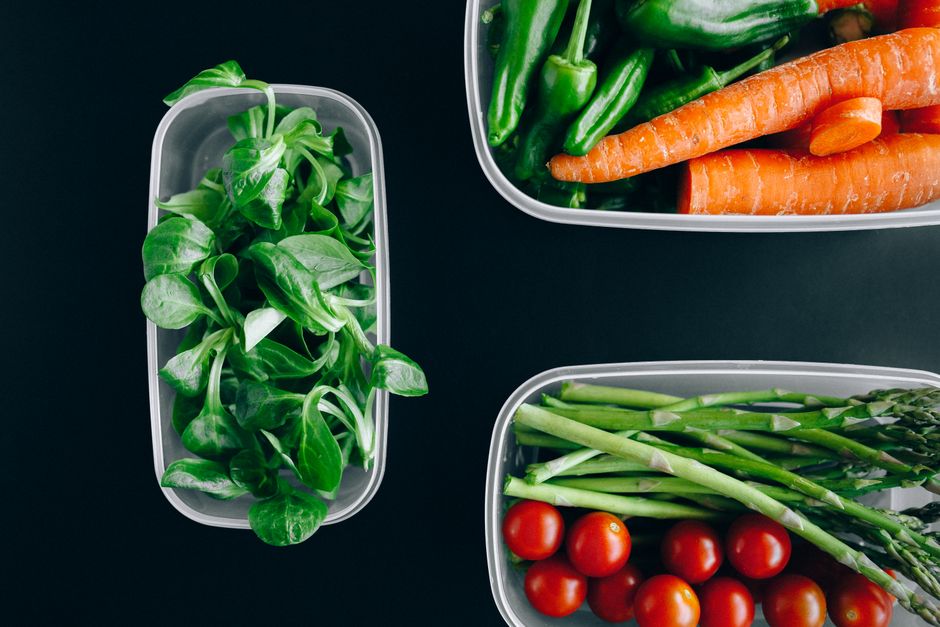
Why Most People Give Up on Food Prep (And How to Not Be One of Them)
Here's the thing about food prep: most people start strong on a Sunday, pack their fridge with containers, and then abandon the whole thing by Wednesday. Sound familiar? It's not a willpower problem. It's a planning problem.
The good news is that effective diet food prep doesn't require you to cook 14 identical meals or own a kitchen scale. It just requires a smarter system. And once you have one, healthy eating during the week becomes the path of least resistance—not a constant battle.
So let's get into some ideas that actually hold up in real life.
Start With the "Building Blocks" Method
Instead of prepping complete meals, prep components. This is genuinely one of the most flexible approaches out there—and it works whether you're trying to eat cleaner, manage portions, or just reduce takeout spending.
The idea is simple: cook a handful of versatile ingredients that mix and match throughout the week. Think of it like a healthy fast food system you built yourself.
Here's what a solid building-block prep session looks like:
- A grain or starch: Cook a big batch of brown rice, quinoa, or roasted sweet potato cubes. These keep well for 4–5 days in the fridge.
- A lean protein: Baked chicken thighs, hard-boiled eggs, canned tuna, or lentils. Aim for roughly 25–30g of protein per meal.
- Roasted vegetables: Toss broccoli, zucchini, bell peppers, or cauliflower in olive oil and roast at 400°F for 20–25 minutes. They reheat beautifully.
- A sauce or dressing: This is what makes the same ingredients feel like different meals. Tahini, Greek yogurt-based dressing, salsa, or a simple lemon-garlic vinaigrette all work great.
Mix and match those four elements across different meals and you've got lunches and dinners sorted—without eating the exact same thing every day.
The Best Diet Food Prep Ideas by Meal
Breakfast Prep (The Meal Most People Skip)
Skipping breakfast isn't inherently bad for everyone, but if you're skipping it because you're rushed—and then reaching for a vending machine at 10am—that's a different story. A little prep here goes a long way.
Overnight oats are the classic for a reason. Combine ½ cup rolled oats, ¾ cup unsweetened almond milk, 1 tablespoon chia seeds, and whatever toppings you like (berries, nut butter, a drizzle of honey). Make 3–5 jars on Sunday night. Done. That's breakfast covered for most of the week at roughly 350–400 calories a jar.
Egg muffins are another solid option. Whisk 6–8 eggs with diced vegetables (spinach, onion, tomato), pour into a greased muffin tin, and bake at 375°F for 15–18 minutes. You'll get 6 grab-and-go protein bites that reheat in 30 seconds.
Lunch Prep That Doesn't Get Soggy
The biggest lunch prep mistake? Assembling everything too early. Keep wet ingredients separate until you're ready to eat.
Mason jar salads solve this perfectly. Layer in this order: dressing on the bottom, then hearty vegetables (cherry tomatoes, cucumbers, chickpeas), then grains or protein, then leafy greens on top. Flip it into a bowl when you're ready to eat and nothing gets soggy. A chickpea and quinoa jar with lemon-tahini dressing takes about 5 minutes to assemble and delivers around 20g of protein.
Grain bowls are the other reliable lunch format. Brown rice or farro as a base, roasted vegetables, a protein (rotisserie chicken works great here—it's affordable and requires zero cooking), and a sauce. The whole thing comes together from your building-block prep in about 2 minutes of assembly.
Dinner Prep Without Cooking Every Night
Batch cooking one or two complete dinners per week is more sustainable than trying to prep seven. Pick recipes that scale easily and reheat well: turkey chili, lentil soup, sheet pan salmon with vegetables, or a simple stir-fry.
A slow cooker or Instant Pot changes the game here. You can set a chicken and vegetable stew going in the morning and come home to dinner already made. That kind of setup makes healthy eating feel effortless rather than like a constant project.
Snack Prep (Because Hunger Doesn't Wait)
This one gets overlooked constantly. Prepping snacks matters just as much as prepping meals—maybe more, because unplanned snacking is where a lot of people drift off course.
Keep these ready to grab:
- Pre-portioned bags of mixed nuts (around 1 oz per bag)
- Cut vegetables like carrots, celery, and cucumber with a small container of hummus
- Greek yogurt (plain, 2% fat) with a tablespoon of honey pre-measured
- String cheese and a piece of fruit
None of these require actual cooking. Just 10 minutes of portioning on a Sunday makes a real difference when 3pm hunger hits and you need something in your hand immediately.
When DIY Prep Isn't Realistic—Diet Food Prep Delivery Options
Look, some weeks are just brutal. Work deadlines, kids' schedules, travel—sometimes the ideal of prepping everything yourself simply isn't going to happen. That's where diet food prep delivery services can actually be a smart backup rather than a luxury.
Services that deliver pre-portioned, macro-balanced meals let you maintain healthy eating habits without the cooking time. They're not a permanent replacement for learning to prep your own food (the cost adds up), but as a bridge option during hectic stretches, they're genuinely useful.
If you go this route, look for services that list full nutritional information transparently—including protein, fiber, and sodium per meal. Meals that land around 400–550 calories with at least 25g of protein are generally a solid target for most adults eating three main meals a day.
A Sample Week of Diet Food Prep (That Actually Works)
Here's what a realistic prep session looks like if you have about 90 minutes on a Sunday:
- Grains (15 min hands-off): Cook 2 cups dry quinoa on the stove. Set a timer and walk away.
- Protein (25 min hands-off): Bake 4–6 chicken thighs at 400°F with olive oil, garlic, and herbs.
- Vegetables (25 min hands-off): Roast two sheet pans of mixed vegetables at the same time as the chicken.
- Breakfast (10 min active): Make 4 overnight oat jars.
- Snacks (10 min active): Portion nuts, wash and cut vegetables.
That's five days of lunches and dinners sorted, plus breakfast and snacks—in about an hour and a half of your Sunday, with maybe 30 minutes of actual active work. The rest is oven time.
If you're not sure how much food to prep or what portions make sense for your specific goals, our personalized meal planning quiz at ProperDietPlan can help you build a framework based on your lifestyle, preferences, and nutritional needs.
Make It Easier Over Time
The first prep session feels like a lot. The fifth one becomes almost automatic. Start small—prep just lunches for three days if a full session feels overwhelming. Build from there.
And remember: imperfect prep is infinitely better than no prep. Even having a batch of hard-boiled eggs and some cooked grains in the fridge gives you a foundation to work with. You don't need to be perfect. You just need to make the healthy choice the easy choice—and that's exactly what smart food prep does.
Frequently Asked Questions
How many days in advance can I safely prep food?
Most prepped meals stay fresh and safe in the refrigerator for 4–5 days. Cooked grains, roasted vegetables, and cooked proteins all hold well within that window. If you're prepping for a full week, consider freezing a portion of meals on Sunday that you plan to eat Thursday or Friday—most soups, stews, and grain dishes freeze well and reheat without losing much quality.
What are the best containers for food prepping?
Glass containers with airtight lids are the gold standard—they don't absorb odors or stains, go from fridge to microwave easily, and last for years. BPA-free plastic containers work fine if you're prepping larger quantities and need to keep costs down. For salads and snacks, wide-mouth mason jars are particularly useful. Whatever you choose, make sure lids seal properly so food stays fresh longer.
Is diet food prep delivery worth it compared to cooking yourself?
It depends on your situation. Diet food prep delivery services typically cost $10–$15 per meal, compared to roughly $3–$6 per meal when you cook from scratch with budget-friendly ingredients. If the convenience keeps you from reaching for takeout or processed snacks, the cost difference may well be worth it—especially during busy weeks. Many people find a hybrid approach works best: home prep most of the time, with delivery as a backup option.
Related Articles
Take the 1-Minute Quiz
Answer a few quick questions and get a personalized meal plan built around your goals, food preferences, and daily routine.
Get My Personalized Meal Plan