
The Healthiest Daily Diet: What to Actually Eat Every Day (Without Overthinking It)
What Does the "Healthiest Daily Diet" Even Mean?
It's one of those phrases that gets thrown around constantly—but what does it actually look like on a plate? Not in a research paper. Not in a TED talk. On your actual plate, at 7am on a Tuesday when you're running late.
Here's the thing: the healthiest daily diet isn't one specific plan. It's a pattern. And that pattern—consistently eating a variety of whole foods, hitting your nutrient needs, and not swinging between extremes—is what decades of nutrition research keep pointing back to.
So let's make it concrete.
The Core Building Blocks of a Healthy Daily Diet
Think of your daily diet as a framework, not a script. Every day, you're aiming to hit a few non-negotiables. Miss one occasionally? Fine. But these are your anchors.
Vegetables and Fruit — More Than You Think
A 2021 analysis published in The Lancet found that inadequate fruit and vegetable intake was linked to roughly 3.9 million premature deaths globally per year. That's not a scare tactic—it's just a reminder of how foundational this stuff is.
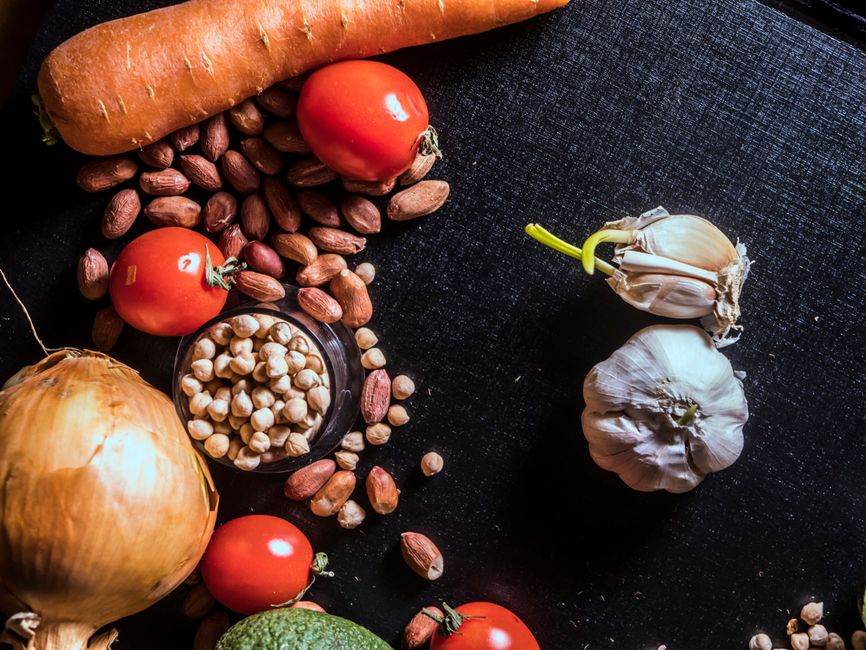
Aim for at least 5 servings a day, spread across your meals. A serving is simpler than it sounds: half a cup of cooked spinach, one medium apple, a handful of cherry tomatoes. Mix colors—dark leafy greens like kale and spinach, orange vegetables like carrots and sweet potato, berries, cruciferous vegetables like broccoli. Each color group brings different micronutrients to the table.
Quality Protein at Every Meal
Protein is the macronutrient most people underestimate—especially at breakfast. It keeps you full, supports muscle maintenance, and helps stabilize blood sugar throughout the day.
Good daily protein sources include:
- Eggs (whole eggs, not just whites)
- Greek yogurt or cottage cheese
- Chicken breast, turkey, or lean beef
- Canned salmon or tuna
- Legumes—lentils, chickpeas, black beans
A rough target for most adults is 0.8–1.2g of protein per kilogram of body weight per day. So if you weigh 70kg, you're aiming for roughly 56–84g. Spread across three meals, that's very achievable.
Whole Grains Over Refined Ones
Refined carbs—white bread, sugary cereals, pastries—digest fast and spike your blood sugar. Whole grains do the opposite. They're digested more slowly, keep energy levels steadier, and deliver fiber and B vitamins that refined versions strip out.
Swap white rice for brown rice or quinoa. Choose oats over sugary granola. Pick whole grain sourdough over standard white sandwich bread. These aren't dramatic changes—but over days and weeks, they add up significantly.
Healthy Fats (and Enough of Them)
Fat isn't the enemy—poor-quality fat is. The healthiest daily diets consistently include sources of unsaturated fats: olive oil, avocado, fatty fish like salmon or mackerel, and a small handful of nuts or seeds daily.
A 2022 Harvard study on dietary fat quality found that replacing saturated fats with unsaturated fats was associated with reduced cardiovascular risk—independent of total calorie intake. So the type of fat matters more than just cutting fat altogether.
What a Day of Healthy Eating Actually Looks Like
Theory is one thing. Let's put it into practice.
Breakfast — Protein-Forward, Satisfying
A solid example: two scrambled eggs with a handful of spinach, one slice of whole grain toast with half an avocado, and a small bowl of mixed berries. You're hitting protein, healthy fat, fiber, and antioxidants before 9am. Takes about 10 minutes.
Or if you prefer something quicker—overnight oats made with Greek yogurt, rolled oats, chia seeds, and blueberries. Prep it the night before, grab it on the way out.
Lunch — Balanced and Filling
A big salad base (mixed greens, cucumber, tomato, red onion) topped with grilled chicken or chickpeas, a drizzle of olive oil and lemon juice, and a side of brown rice or a small whole grain roll. This isn't rabbit food—done right, it's genuinely filling.
The key with lunch is not skimping on protein or fat. That's what causes the 3pm energy crash. Sound familiar?
Dinner — Veggie-Heavy, Moderate Portions
Baked salmon with roasted sweet potato and steamed broccoli. Or a lentil and vegetable curry served over brown rice. Or turkey meatballs with zucchini noodles and a tomato-based sauce.
Notice the pattern: a quality protein, a complex carb, and at least one—ideally two—vegetable sides. That's the template. What goes in those slots can rotate endlessly.
Snacks — Strategic, Not Mindless
If you're hungry between meals, that's fine. But the healthiest snacks pair protein or fat with fiber—not just one macronutrient alone. Try apple slices with almond butter, a small handful of mixed nuts with a piece of fruit, or carrot sticks with hummus.
Hydration — The Part Most People Ignore
Water is part of your diet. Full stop. Even mild dehydration—as little as 1–2% of body weight—can impair cognitive performance and increase feelings of fatigue and hunger, according to a 2019 review in Nutrients.
Aim for 2–2.5 liters of water daily for most adults, more if you're active or in a hot climate. Herbal teas count. Black coffee counts (in moderation). Sugary drinks and most fruit juices—those are foods, not hydration.
Habits That Make or Break a Healthy Daily Diet
The best diet plan in the world falls apart without the right habits around it. A few that actually make a difference:
- Eat at roughly the same times each day. Your body's circadian rhythm affects how it processes food. Erratic meal timing has been linked to poorer metabolic health in multiple studies.
- Don't skip breakfast if you're hungry. Skipping meals when you're genuinely hungry tends to lead to larger, less controlled meals later—the opposite of what you want.
- Cook at home more often than not. A 2017 study in the International Journal of Behavioral Nutrition found that people who cooked at home 6–7 days per week consumed about 140 fewer calories per day than those who cooked less frequently. That's meaningful over time.
- Slow down when you eat. It takes about 20 minutes for satiety signals to reach your brain. Eating fast means you overshoot that threshold before your body catches up.
None of these are revolutionary. But applied consistently, they're genuinely powerful.
How to Personalize This for Your Actual Life
Here's where most generic advice falls short—it doesn't account for your body, your schedule, your food preferences, or your goals. Someone managing blood sugar has different priorities than someone trying to build muscle or someone recovering from burnout and just trying to eat better.
That's exactly why we built our personalized meal planning quiz at ProperDietPlan. It asks the right questions about your lifestyle, food preferences, and health goals, then generates a daily meal framework tailored to you—not a copy-paste template. If you're serious about building a healthier daily diet that actually fits your life, that's a good place to start.
A Few Foods Worth Adding If You Haven't Already
Certain foods punch above their weight nutritionally and are worth making a regular part of your diet if they aren't already:
- Walnuts — one of the best plant-based sources of omega-3 fatty acids
- Lentils — high in protein, iron, and folate; cheap and easy to cook in bulk
- Fermented foods (yogurt, kefir, kimchi) — support gut microbiome diversity
- Leafy greens (spinach, kale, Swiss chard) — dense with magnesium, vitamin K, and folate
- Oily fish (salmon, sardines, mackerel) — EPA and DHA omega-3s that most people fall short on
You don't need all of these every day. But rotating them in regularly makes a noticeable difference to your overall nutrient profile.
The Bottom Line
The healthiest daily diet isn't complicated—but it does require consistency. Whole foods. Enough protein. Plenty of vegetables. Quality fats and carbs. Adequate water. And habits that make it repeatable.
Start with one meal. Get that right. Then build from there. That's genuinely how lasting dietary change happens—not through overnight overhauls, but through small, deliberate upgrades that stack up over time.
Frequently Asked Questions
What is the single most important thing to include in a healthy daily diet?
If we had to pick one, it's vegetables—specifically a variety of them. Most people eat far fewer than recommended, and the research linking vegetable intake to long-term health outcomes is about as consistent as nutrition science gets. Aim for at least 3–5 servings daily, mixed across colors and types. That alone moves the needle significantly on overall diet quality.
How many calories should I eat in the healthiest daily diet?
There's no universal answer—calorie needs vary based on age, sex, height, weight, activity level, and health goals. A sedentary adult woman might need around 1,800–2,000 calories per day, while an active adult man might need 2,400–2,800. Rather than fixating on an exact number, most people do better focusing on food quality and listening to hunger and fullness cues. If you want a more personalized estimate, our meal planning quiz factors in all of these variables.
Can a healthy daily diet include treats and processed foods occasionally?
Yes—and this is actually important for long-term sustainability. Rigid all-or-nothing approaches tend to backfire. The research on dietary patterns consistently shows that what you eat most of the time matters far more than occasional indulgences. A useful mental model: if 80–90% of your daily food choices align with the whole-food framework above, there's room for flexibility without undermining your health goals.
Related Articles
Take the 1-Minute Quiz
Answer a few quick questions and get a personalized meal plan built around your goals, food preferences, and daily routine.
Get My Personalized Meal Plan