
Your Complete Meal List for the Week (That Actually Works in Real Life)
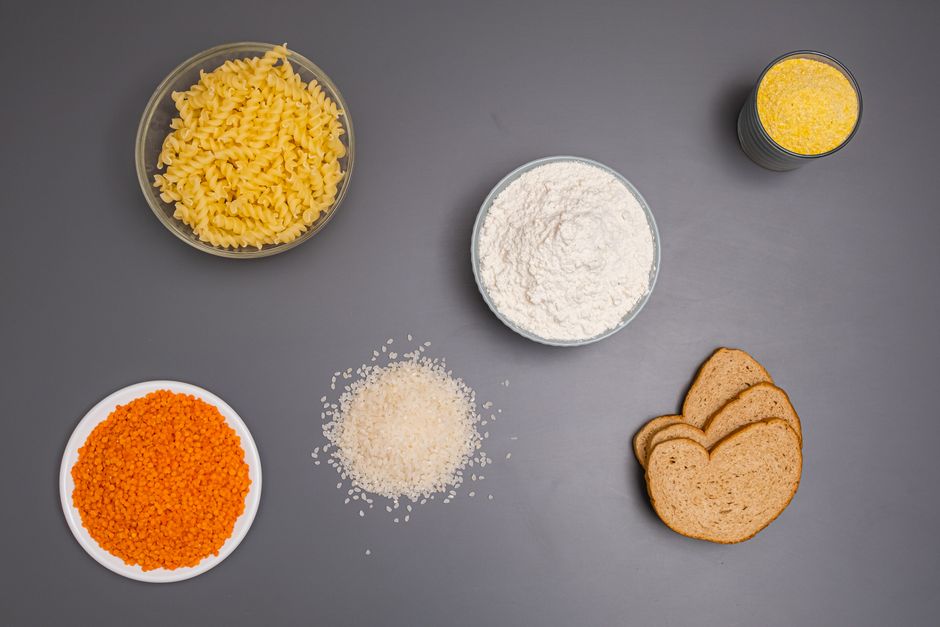
Sunday afternoon, you've got good intentions. By Wednesday, you're ordering takeout for the third time. Sound familiar? The problem usually isn't motivation—it's not having a clear meal list for the week written out before the chaos starts.
A weekly meal list doesn't have to be complicated. In fact, the simpler it is, the more likely you'll actually follow it. Here's how to build one that fits your real life—not some idealized version of it.
Why a Weekly Meal List Changes Everything
Think about the mental energy you burn every day deciding what's for dinner. Researchers call it decision fatigue—and by 6 PM, most of us have used up our best thinking on work, kids, traffic, and everything else. A pre-made meal list removes that daily decision entirely.
Beyond saving brainpower, planning your meals for the week typically cuts grocery spending by 20–30% (you buy what you need, not what looks good in the moment). It also slashes food waste dramatically. The USDA estimates the average American household throws away about $1,500 worth of food per year—most of that from impulse buys that never made it into an actual meal.
And honestly? Eating better becomes almost automatic when the plan is already made.
How to Build Your Meal List Without Overcomplicating It
Before you write a single meal down, get clear on three things: how many people you're feeding, how many nights you actually cook (be honest), and what's already in your pantry or freezer.
Most people do best planning 5 dinners instead of 7—that naturally leaves room for leftovers and one flexible night. Here's a simple structure we recommend:
- 2 quick weeknight meals (under 30 minutes—think sheet pan salmon, stir-fry, or pasta)
- 2 batch-friendly meals (soups, casseroles, grain bowls that give you lunch the next day)
- 1 weekend meal where you can take a bit more time
That's it. Five dinners. Once dinner is covered, lunches and breakfasts are much easier to sort out around them.
A Sample Meal List for the Week
Not sure where to start? Here's a realistic weekly meal list that balances nutrition, variety, and actual cooking time:
Monday: Sheet pan chicken thighs with roasted broccoli and sweet potato wedges (40 minutes, minimal cleanup)
Tuesday: Beef and vegetable stir-fry over brown rice—use whatever veg needs using up from the weekend shop
Wednesday: Lentil soup with crusty bread (make a big pot—this is your Thursday lunch sorted)
Thursday: Turkey and black bean tacos with shredded cabbage and avocado. Fast, family-friendly, and easy to customize for picky eaters.
Friday: Baked salmon with quinoa and a simple cucumber-tomato salad. Feels fancy, takes 25 minutes.
For breakfasts? Rotate between overnight oats, scrambled eggs with whole grain toast, and Greek yogurt with fruit. Keep it boring—boring breakfasts are easy breakfasts.
Lunches largely sort themselves: leftover soup, grain bowl remixes, or a simple sandwich with whatever protein you cooked the night before.
The Protein-First Planning Method
Here's a trick that makes building your meal list faster every week. Start with protein, not the full meal.
Pick 3–4 proteins for the week—say, chicken, salmon, eggs, and lentils. Then build meals around them. This approach cuts your planning time in half because you're making smaller decisions, not big "what should I cook?" ones.
It also naturally creates variety. If you've got chicken on Monday, you won't accidentally cook chicken four nights in a row (which happens more than anyone admits).
Group Your Ingredients Strategically
Once your meal list is set, look for ingredient overlap. If you're buying a bag of spinach for Friday's salmon salad, can Tuesday's stir-fry also use spinach instead of bok choy? Probably, yes.
This kind of cross-meal planning is what separates people who save money with meal planning from people who spend just as much and still waste food. One bunch of cilantro can cover tacos on Thursday and a grain bowl on Tuesday. A bag of baby potatoes works for Monday's sheet pan dinner and Wednesday's soup.
Think of your weekly meal list as a system, not just a schedule.
Matching Your Meal List to Your Actual Week
This is where most meal plans fall apart. People create an ambitious list on Sunday without looking at their actual calendar—and then Wednesday is a late work night and the elaborate pasta dish they planned just doesn't happen.
Before finalizing your meal list, check your week. Look for:
- Late nights (schedule your fastest meal here—20-minute pasta, scrambled eggs, or breakfast-for-dinner)
- Days you'll have lunch out (adjust what you need to prep)
- Any nights someone else might cook or you'll eat at a family member's place
- Gym days when you might need more protein
Matching meal complexity to your energy level on each day is honestly the single biggest factor in whether you stick to your plan.
Keep a Running "Meal Bank"
One of the most useful habits you can build is keeping a list of 15–20 meals your household genuinely likes and knows how to cook. Not aspirational recipes from Instagram—actual meals you've made before.
Every week, you're just pulling from that bank. Monday might be meal #3 from the list, Thursday might be #11. Over time, this becomes almost automatic and takes maybe 5 minutes of planning per week.
If you're not sure what your "meal bank" should look like, or if you want a plan built around your specific preferences, dietary needs, and schedule, our personalized meal planning quiz at ProperDietPlan can map that out for you—it takes about 2 minutes and gives you a customized starting point.
Grocery Shopping From Your Meal List
Your meal list is only as good as your shopping list. Once the week's meals are confirmed, write your grocery list by category—produce, proteins, dairy, pantry staples—not by meal. This sounds like a small thing but it makes grocery shopping dramatically faster and prevents the "I forgot the garlic" mid-week trip.
Buy proteins in larger quantities when they're on sale and freeze what you won't use that week. A bag of frozen chicken breasts or a few extra salmon fillets gives you backup options for weeks when planning didn't quite happen on schedule.
What About Snacks and Sides?
Keep these simple. Seriously—don't overthink the sides. Steamed rice, roasted vegetables, a simple green salad, or some whole grain bread cover most dinners perfectly well. The meal doesn't need to be elaborate to be nourishing.
For snacks, pick two or three options and rotate them: apple with almond butter, Greek yogurt, hummus with carrots and crackers. Decision fatigue applies to snacks too—having a short, familiar list means you'll actually eat something reasonable instead of raiding the pantry randomly at 3 PM.
Making the Weekly Meal List a Habit
The first couple of weeks feel a bit clunky. That's normal. Give it a month before you judge whether it's working—by week four, most people find the whole process takes about 15 minutes and becomes genuinely routine.
Some weeks will be messier than others. The goal isn't perfection—it's having a starting point so you're not improvising every single night. Even if you only follow your meal list 70% of the time, that's still four or five meals a week that went more smoothly than they would have otherwise.
And that adds up—to better eating, less waste, more money in your pocket, and a whole lot less of that Sunday-to-Wednesday good-intentions collapse.
Frequently Asked Questions
How many meals should be on a weekly meal list?
Most people do best with 5 planned dinners rather than 7. This leaves natural room for leftovers, one flexible night, or an unplanned meal out. Over-planning is actually one of the biggest reasons meal lists fail—building in flexibility makes the whole system more sustainable.
What's the easiest way to start a meal list for the week if I've never done it before?
Start with just dinners, and only plan 3–4 nights your first week. Write down meals you already know how to cook—nothing new. Once that becomes routine after a few weeks, you can layer in lunches and try new recipes. The goal is building the habit first, then adding variety.
Can a weekly meal list actually save money?
Yes, consistently. Shopping from a specific list means you're buying ingredients for actual meals rather than random items that sound good in the store. The USDA estimates households waste around $1,500 in food annually—much of that comes from unplanned shopping. A clear meal list directly reduces impulse buys and ingredient overlap that goes unused.
Related Articles
Take the 1-Minute Quiz
Answer a few quick questions and get a personalized meal plan built around your goals, food preferences, and daily routine.
Get My Personalized Meal Plan