
Vegetable Prep for the Week: How to Do It Right (and Actually Use Everything)
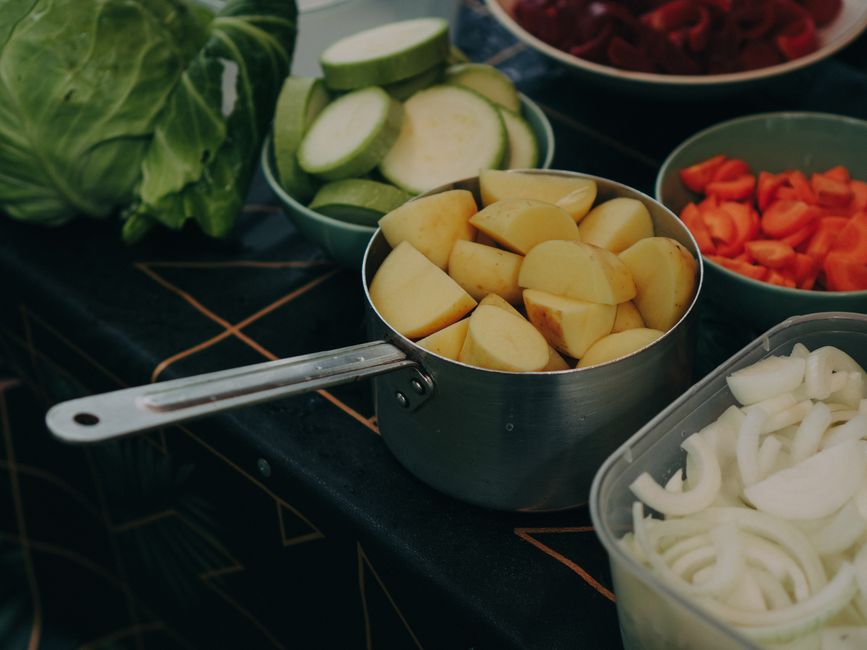
Why Vegetable Prep for the Week Is Worth the Sunday Hour
Here's the honest truth: most people don't skip vegetables because they dislike them. They skip them because pulling out a cutting board at 6pm on a Tuesday is just one step too many. And that one step is where all good intentions die.
Vegetable prep for the week solves exactly that. You do the chopping, washing, and portioning once—usually on a Sunday—and then the rest of the week you're just assembling meals rather than starting from scratch. It sounds small. It genuinely isn't.
Studies from the Harvard T.H. Chan School of Public Health consistently show that people who prepare food at home—especially vegetables—consume more fiber, fewer empty calories, and more micronutrients overall. Prep is one of the biggest levers you can pull to support your goals.
Start Here: Which Vegetables Actually Hold Up All Week
Not every vegetable is built for bulk prep. Lettuce wilts. Cut avocado browns. Zucchini can get mushy if you're not careful. So before you start slicing everything in sight, it helps to know which veggies will still taste good on Friday.
The Reliable Ones (Prep These First)
- Broccoli and cauliflower – Chop into florets, store dry in an airtight container. Good for 5 days.
- Bell peppers – Slice or dice, keep in a sealed container. They hold beautifully for 4-5 days and work raw or cooked.
- Carrots – Peel and cut into sticks or coins. Store submerged in cold water and they stay crisp all week.
- Red onion and shallots – Dice a big batch and store in a sealed glass jar. Yes, your fridge will smell like onion. Worth it.
- Cabbage – Shred a half head and it'll last 5-6 days easily. Add it to stir-fries, slaws, or grain bowls.
These are your workhorses. Prep a generous amount of each and you'll have the building blocks for almost any meal.
The Ones That Need a Little More Care
Spinach and other leafy greens are worth washing and spinning dry—but don't chop them until you're ready to use them. Mushrooms should be wiped clean but only sliced close to when you'll cook them (sliced mushrooms lose moisture fast). And if you love zucchini, cut it into chunks rather than thin slices; it holds up much better that way.
The Actual Prep Process (No Overthinking Required)
Set aside about 60-90 minutes. That's genuinely all it takes for a week's worth of vegetables if you work through it methodically. Here's a simple sequence that works well:
- Wash everything first – Fill a large bowl with cold water and submerge your vegetables in batches. Swish, drain, and lay them out on a clean kitchen towel.
- Roast what you can in bulk – Toss broccoli, cauliflower, and carrots with olive oil, salt, and pepper. Roast at 220°C (425°F) for 20-25 minutes. Roasted vegetables reheat well and add depth to almost any dish.
- Chop the raw stuff – Bell peppers, cabbage, onions. Get these into containers while the oven is doing its thing.
- Blanch if needed – Green beans and asparagus benefit from a 2-minute blanch in boiling water, then an ice bath. They keep their color and texture far better this way.
By the time your roasted veg comes out of the oven, you'll have everything sorted and your fridge stocked.
How to Actually Turn Prepped Veggies Into Meals
This is where a lot of people get stuck. They have five containers of cut vegetables and then just... stare at them. So here are some realistic combos that work across a week:
Monday – Grain Bowl Night
Take a base of cooked quinoa or brown rice (prep this alongside your vegetables), layer on roasted broccoli and carrots, raw bell pepper strips, and shredded cabbage. Drizzle with tahini or a simple lemon-olive oil dressing. Done in under 10 minutes.
Wednesday – Stir-Fry, No Stress
Heat a pan with a little sesame oil, toss in your prepped mushrooms, bell peppers, and onions, add a protein (tofu, shrimp, chicken—whatever you have), splash in some low-sodium soy sauce and ginger. Serve over rice. The vegetables are already cut, so this genuinely takes 15 minutes.
Friday – Clean-Out Frittata
Whatever vegetable scraps are left by the end of the week go into a frittata. Sauté everything, pour over 4-6 beaten eggs, finish under the broiler for 3-4 minutes. This is one of the best ways to use up the last of your prep without wasting anything.
Sound familiar? That end-of-week scramble to use everything up before it goes off is something almost everyone experiences. Planning your meals around your prep—rather than after it—is the shift that makes vegetable prep actually sustainable.
Storage Tips That Make a Real Difference
The container matters more than people realize. Glass containers with locking lids keep vegetables fresher longer than basic plastic. And moisture is the enemy—always make sure prepped vegetables are fully dry before sealing them up. A damp paper towel layered on top of leafy greens can actually help absorb excess moisture and extend their life by a day or two.
Keep your prepped vegetables at eye level in the fridge. This sounds almost too simple, but if you can see them the moment you open the door, you're far more likely to use them. Out of sight really does mean out of mind—especially mid-week when you're tired.
Fitting Vegetable Prep Into a Real Meal Plan
Vegetable prep works best when it's connected to an actual plan for the week. If you know Tuesday is a stir-fry night and Thursday is soup night, you prep accordingly—more bell peppers and onions for the stir-fry, more carrots and celery for the soup. That intentionality cuts down on waste and means nothing sits unused until it's sad and limp.
If you're not sure where to start with planning meals around your vegetable prep, our personalized meal planning quiz at ProperDietPlan can help you build a weekly structure that actually fits your schedule, food preferences, and nutritional goals. It takes about two minutes and gives you a real starting point rather than a blank page.
A Few Mistakes to Avoid
Prepping too much is a real problem—not just too little. If you live alone or cook for two, prepping an enormous batch of everything often leads to waste, not efficiency. Scale your prep to what you'll actually eat.
Also, don't prep everything raw if you know you tend to cook most of your vegetables. Pre-roasting or blanching in bulk means you can just reheat rather than cook from scratch, which saves more time mid-week. And finally, don't skip seasoning your roasted vegetables before storing. Cold, unseasoned roasted broccoli is no one's idea of a good time. Season generously before the oven, and they'll taste genuinely good straight from the fridge.
The Bottom Line
Vegetable prep for the week isn't a complicated system. It's one focused session, a few good containers, and a rough idea of what you'll be eating. Do it consistently and you'll find that eating more vegetables stops feeling like a chore—because the hard part is already done before the week even starts.
Frequently Asked Questions
How far in advance can you prep vegetables for the week?
Most hard vegetables like carrots, broccoli, cauliflower, and bell peppers can be prepped 4-5 days in advance when stored in airtight containers in the fridge. Leafy greens are best washed and dried ahead of time but kept whole until you're ready to use them. Avoid prepping cut avocado, bananas, or other high-oxidation produce more than a day ahead.
Should you store prepped vegetables wet or dry?
Dry is almost always better. Excess moisture accelerates bacterial growth and makes vegetables go limp faster. After washing, make sure your vegetables are fully dry before sealing them in containers. One exception is carrots—storing them submerged in cold water actually keeps them crispier throughout the week.
What's the best way to keep prepped vegetables from going soggy?
Use glass or BPA-free airtight containers, keep them at eye level in the fridge so you remember to use them, and always dry vegetables thoroughly before storing. Layering a dry paper towel inside the container with leafy greens helps absorb excess moisture. Also avoid storing strong-smelling vegetables like onions next to delicate ones like lettuce—the ethylene gas can speed up spoilage.
Related Articles
Take the 1-Minute Quiz
Answer a few quick questions and get a personalized meal plan built around your goals, food preferences, and daily routine.
Get My Personalized Meal Plan