
South Beach Diet Menu Week 1: What to Eat (and What to Skip)
What's Actually Happening in South Beach Diet Week 1
Week 1—also called Phase 1—is the foundation of the South Beach Diet, and yes, it's the toughest part. For 14 days (though many guides focus on just the first week to start), you're cutting out virtually all carbohydrates: bread, pasta, rice, fruit, alcohol, and anything with added sugar. Gone.
Sound extreme? It is, a little. But there's a logic to it. The goal is to reduce insulin spikes and shift your body away from relying on quick-burn carbs. After a few days, most people notice their hunger levels stabilize and cravings for sugar start to quiet down. That's the whole point of Phase 1.
The good news? You're not counting calories or measuring every gram of food. You're eating lean proteins, non-starchy vegetables, healthy fats, and low-fat dairy—until you're satisfied. That changes the experience entirely.
Foods You Can Eat in Week 1
Before we get into the actual day-by-day menu, it helps to understand what's on the table—literally. Phase 1 gives you more flexibility than people expect, as long as you stick to the approved categories.
Proteins
Chicken breast, turkey, lean beef, pork tenderloin, fish (salmon, tuna, tilapia, shrimp), eggs, and tofu are all fair game. Aim for 4–6 oz portions at lunch and dinner. Eggs are your best friend at breakfast—scrambled, poached, hard-boiled, or made into an omelet with vegetables.
Vegetables
Load up on non-starchy options: spinach, kale, broccoli, cauliflower, bell peppers, zucchini, asparagus, cucumber, celery, and leafy greens of all kinds. These are your main source of fiber and volume during Phase 1, so don't hold back. A big salad isn't a sad substitute here—it's the strategy.
Dairy and Fats
Low-fat cheese, part-skim ricotta, plain Greek yogurt (unsweetened), and low-fat cottage cheese work well. For fats, you're looking at olive oil, avocado, nuts (in small portions—about a small handful), and seeds. Avocado especially is a Phase 1 staple. It keeps you full and adds real satisfaction to otherwise simple meals.
What's Off the Table This Week
This is where people get tripped up. It's not just the obvious stuff like doughnuts and white bread. Here's what Phase 1 cuts completely:
- All fruit and fruit juice
- All grains—including whole grains, oats, and rice
- Starchy vegetables like potatoes, corn, and carrots
- Alcohol of any kind
- Added sugars, honey, maple syrup, and artificial sweeteners (the original plan limits these)
That list can feel overwhelming at first glance. But once you build your meals around proteins and vegetables, you start to realize there's actually a lot to work with.
Your South Beach Diet Menu: Week 1 Day-by-Day
This is a practical sample menu—not a rigid prescription. Swap proteins based on what you have, adjust portion sizes to your hunger, and don't stress if Tuesday's dinner becomes Thursday's instead.
Day 1
Breakfast: 2 scrambled eggs with spinach and diced bell pepper, cooked in olive oil. Black coffee or plain tea.
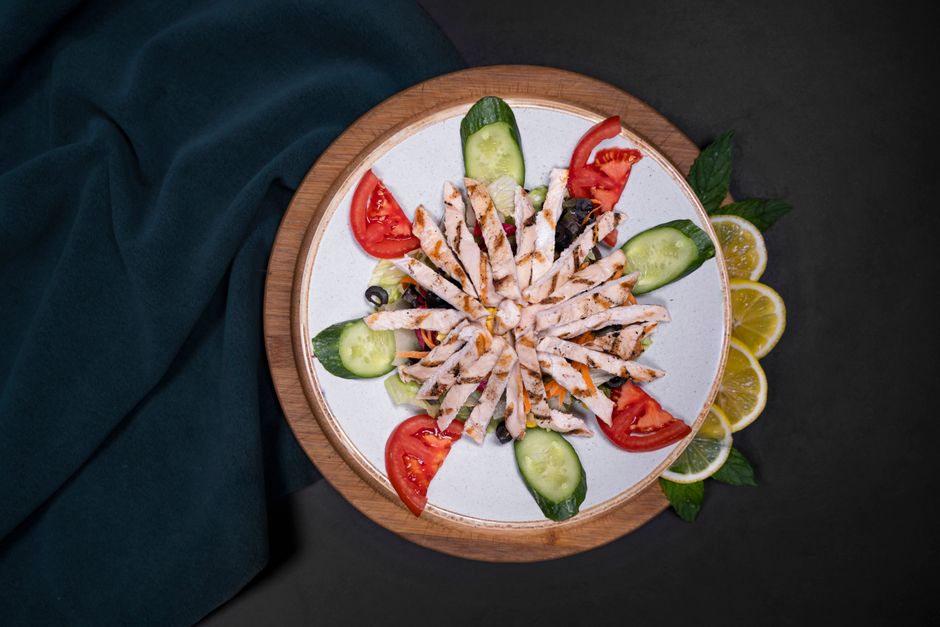
Lunch: Large romaine salad with grilled chicken breast (5 oz), cherry tomatoes, cucumber, olives, and a drizzle of olive oil and red wine vinegar.
Dinner: Baked salmon (6 oz) with roasted asparagus and a side of steamed broccoli.
Snack: Small handful of almonds (about 20) or celery with 2 tablespoons of almond butter.
Day 2
Breakfast: 3-egg omelet with mushrooms, onions, and a sprinkle of low-fat shredded cheese.
Lunch: Tuna salad (canned in water, mixed with a little olive oil mayo and Dijon mustard) served over mixed greens.
Dinner: Grilled chicken thighs with zucchini sautéed in garlic and olive oil.
Snack: ½ cup low-fat cottage cheese with a few sliced cucumbers.
Day 3
Breakfast: 2 hard-boiled eggs with a side of sautéed spinach.
Lunch: Turkey lettuce wraps—ground turkey with cumin and garlic, served in large romaine leaves with avocado slices.
Dinner: Shrimp stir-fry with broccoli, snap peas, and bell peppers in a light soy-ginger sauce (use low-sodium soy sauce).
Snack: String cheese and a handful of walnuts.
Day 4
Breakfast: Egg muffins—make these ahead. Mix 4 eggs with diced vegetables and low-fat cheese, pour into a muffin tin, bake at 375°F for 18–20 minutes. Grab 2–3 each morning.
Lunch: Big chopped salad with canned sardines or grilled tilapia, olives, artichoke hearts, and lemon-olive oil dressing.
Dinner: Pork tenderloin with roasted cauliflower and a simple arugula salad.
Snack: ¼ avocado with a pinch of sea salt and red pepper flakes.
Day 5
Breakfast: Greek yogurt (plain, low-fat) with a sprinkle of flaxseeds. (Check labels—make sure there's no added sugar.)
Lunch: Leftover pork tenderloin sliced over a bed of mixed greens with olive oil and apple cider vinegar dressing.
Dinner: Baked cod with steamed broccoli and a side of sliced tomatoes with fresh basil.
Snack: 2 celery stalks with 1 oz low-fat cream cheese.
Day 6 & 7 (Weekend)
Weekends are when Phase 1 breaks down for most people—social plans, less structure, more temptation. Keep breakfasts simple (eggs, always eggs) and batch-cook for the week ahead. A big pot of turkey chili with no beans (no legumes in Week 1), loaded with peppers, tomatoes, and spices, is perfect for lunches all week.
Practical Tips That Actually Help
Meal prep is non-negotiable in Phase 1. When hunger hits and there's nothing ready, you'll reach for something you shouldn't. Spend 30–40 minutes on Sunday boiling eggs, grilling a batch of chicken, and washing vegetables. It makes every day of the week easier.
Watch out for hidden sugars in condiments—ketchup, store-bought salad dressings, marinades. Most of them have more sugar than you'd think. Stick to olive oil, vinegar, mustard, hot sauce, and lemon juice.
Headaches and fatigue in days 2–3 are normal. That's your body adjusting to the drop in carbs and sugar. Stay hydrated (aim for 8+ cups of water a day), get enough sleep, and push through. Most people feel noticeably better by day 4 or 5.
Is a Custom Meal Plan Smarter Than a Generic Week 1 Menu?
Here's the thing about sample menus like this one—they're a great starting point, but they don't know anything about you. Your schedule, food preferences, calorie needs, and health goals all shape what a truly effective plan looks like. If you want a meal plan built around your specific situation, our personalized meal planning quiz at ProperDietPlan takes about 2 minutes and builds something you'll actually stick to.
That said, for getting through South Beach Phase 1, the framework above works. Keep proteins varied, vegetables plentiful, and snacks prepped and ready. By day 7, most people are surprised by how manageable—and even satisfying—it feels.
Frequently Asked Questions
How much weight can you lose in week 1 of the South Beach Diet?
Results vary, but some people see 4–8 pounds in the first two weeks of Phase 1. A significant portion of that early loss is water weight, as the body depletes glycogen stores when carbs are cut. Sustainable fat loss follows in the weeks after. The goal of Phase 1 isn't primarily speed—it's resetting hunger cues and reducing cravings.
Can you have coffee during South Beach Diet Phase 1?
Yes, black coffee and plain tea are allowed in Phase 1. What you need to avoid is adding sugar or flavored syrups. A small splash of low-fat milk is generally considered acceptable, but sweetened creamers and flavored lattes are off the list. If you rely on sweetened coffee, this is one of the trickier adjustments for most people.
Why do I feel so tired and irritable during South Beach Diet week 1?
That fatigue and irritability—sometimes called the 'carb flu'—is a common response to drastically cutting carbohydrates and sugar. Your body is used to running on glucose from carbs, and it takes a few days to adapt. Drinking plenty of water, getting adequate sleep, and making sure you're eating enough protein and healthy fat helps significantly. Most people feel much better by days 4–5.
Related Articles
Take the 1-Minute Quiz
Answer a few quick questions and get a personalized meal plan built around your goals, food preferences, and daily routine.
Get My Personalized Meal Plan