
Plate Method Meals: The Simplest Way to Eat Balanced Without Counting Every Calorie
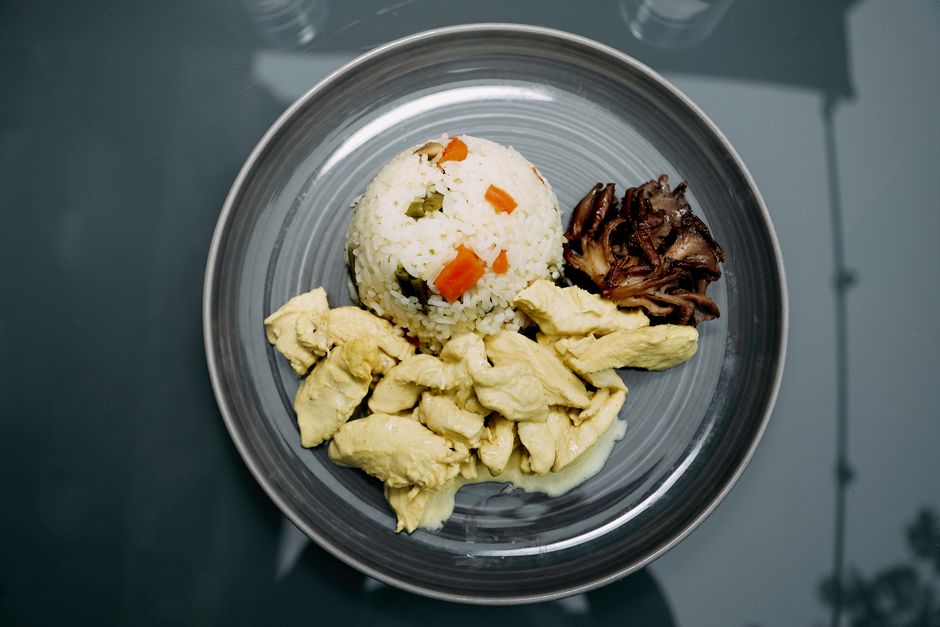
Most people know they should eat better. The problem isn't knowledge—it's execution. Tracking macros, counting calories, weighing chicken breast at 6pm on a Tuesday... it gets old fast. That's exactly why the plate method has become one of the most recommended eating frameworks out there, backed by dietitians, diabetes educators, and health organizations alike.
It's not a diet. There's no point system. And you don't need to download anything. You just need a plate.
What Exactly Is the Plate Method?
The plate method (sometimes called the diabetes plate method, though it works for everyone) is a visual portioning guide. You divide a standard 9-inch dinner plate into sections and fill each one with specific food groups. That's it.
Here's how the classic breakdown looks:
- Half the plate: non-starchy vegetables
- One quarter: lean protein
- One quarter: quality carbohydrates
Add a small serving of healthy fat (think a drizzle of olive oil, a few slices of avocado, or a small handful of nuts) and a low-calorie drink, and you've got a complete, balanced meal. Simple as that.
The American Diabetes Association has championed this approach for years, and a 2022 review published in Diabetes Care found it effective not just for blood sugar management but for improving overall diet quality across diverse populations. So no, it's not just for people managing diabetes—it's genuinely useful for anyone who wants structure without obsession.
Why the Plate Method Actually Works
Here's the thing about most eating plans: they require you to be a different person than you are right now. The plate method works with how people actually eat—sitting down, with a plate, at a meal.
There's no tracking app. No food scale. You don't need to know that a cup of cooked quinoa has 39 grams of carbs (though hey, now you do). The visual cue of the plate itself does the heavy lifting.
It also naturally balances macronutrients without you having to think about it. Load half your plate with vegetables, and you've automatically reduced the calorie density of your meal while boosting fiber, vitamins, and minerals. The protein quarter keeps you full. The carb quarter gives you energy without overdoing it. This isn't magic—it's just smart plate design.
And here's a bonus most people overlook: it's flexible. Going out for Thai food? You can still roughly plate-method it. Making pasta at home? Serve a smaller portion and bulk it up with roasted zucchini and a grilled chicken thigh. The framework adapts.
Building Your Plate: Real Food, Real Examples
The Vegetable Half (and Why This Is Non-Negotiable)
This is the section most people underdo. A sad scoop of iceberg lettuce doesn't count. We're talking about a generous, colorful variety of non-starchy vegetables that genuinely fill half the plate.
Good options include roasted broccoli, steamed green beans, sautéed spinach, sliced cucumber, cherry tomatoes, bell peppers, cauliflower, zucchini, asparagus, and shredded cabbage. The goal is variety and volume—these foods are low in calories but high in everything your body actually needs.
A practical trick: roast a big sheet pan of mixed vegetables on Sunday. Then they're ready to go all week. Throw them into a bowl, heat them up alongside some protein, and your plate is halfway done before you've even thought about it.
The Protein Quarter (Go Lean, But Not Boring)
This section should cover roughly a quarter of your plate—about 3 to 4 ounces of cooked protein for most adults, which is roughly the size of a deck of cards. Sound familiar? It's the classic reference point for a reason.
Good protein choices for plate method meals:
- Grilled or baked chicken breast or thighs
- Salmon, cod, tilapia, or shrimp
- Hard-boiled or scrambled eggs
- Tofu or tempeh (great for plant-based plates)
- Canned chickpeas or lentils (these double as carbs too, so adjust accordingly)
Lean doesn't mean bland. A salmon fillet with a lemon-herb crust, some grilled shrimp tossed in garlic and paprika, or a well-seasoned chicken thigh—these are all plate method-approved and actually enjoyable to eat.
The Carbohydrate Quarter (Yes, Carbs Are Still on the Table)
This is the section that confuses people the most, especially with all the anti-carb noise out there. The plate method doesn't eliminate carbs—it just right-sizes them.
Focus on quality carbohydrates: brown rice, quinoa, farro, sweet potato, whole grain bread, whole wheat pasta, oats, or legumes. A quarter-plate serving of brown rice is roughly half a cup cooked. That's a reasonable, satisfying amount—not a diet portion, but not a heaping restaurant-sized mound either.
Starchy vegetables like corn, peas, and butternut squash belong in this section too, not the vegetable half. Just worth knowing so your portions stay balanced.
Healthy Fats: The Finishing Touch
Fats aren't given their own section on the plate, but they absolutely belong in your meal. A drizzle of extra virgin olive oil over your vegetables, a quarter of an avocado on the side, or a tablespoon of tahini in a dressing—these add satiety, flavor, and essential fatty acids your body needs.
Don't skip them. Low-fat eating went out with the 90s for good reason.
Seven Plate Method Meal Ideas You Can Actually Make
Theory is great, but let's get specific. Here are seven genuinely practical plate method meals for different tastes and schedules.
- Classic Weeknight Chicken Bowl: Half the plate roasted broccoli and cherry tomatoes. Quarter plate grilled chicken breast. Quarter plate brown rice. Drizzle of olive oil and a squeeze of lemon.
- Salmon and Quinoa Plate: Half the plate steamed asparagus and sautéed spinach. Quarter plate baked salmon fillet. Quarter plate cooked quinoa. Serve with a small portion of avocado on the side.
- Vegetarian Lentil Plate: Half the plate roasted zucchini and bell peppers. Quarter plate spiced red lentils. Quarter plate whole wheat pita or a small baked sweet potato. A dollop of plain Greek yogurt works as a topping here.
- Shrimp Stir-Fry Style: Half the plate stir-fried bok choy, snap peas, and mushrooms. Quarter plate garlic shrimp. Quarter plate brown rice or soba noodles. A little sesame oil for flavor.
- Turkey Taco Plate: Half the plate shredded cabbage slaw and diced tomatoes. Quarter plate seasoned ground turkey. Quarter plate black beans or a small corn tortilla (or both, in smaller amounts). Salsa and a bit of guacamole finish it off.
- Egg and Veggie Breakfast Plate: Half the plate sautéed spinach, mushrooms, and cherry tomatoes. Quarter plate two scrambled eggs. Quarter plate one slice of whole grain toast with a thin layer of avocado.
- Mediterranean-Inspired Bowl: Half the plate cucumber, kalamata olives, roasted red peppers, and arugula. Quarter plate baked cod or falafel. Quarter plate farro or hummus with a small whole wheat pita. Drizzle with olive oil and lemon.
Notice a pattern? Each of these is just real food, arranged intentionally. None of them require specialty ingredients or hours of prep. That's the whole point.
Adapting the Plate Method to Your Life
If You're Eating Out
Restaurants make portioning tricky—plates are bigger, servings are larger, and vegetables are often an afterthought. But you can still apply the framework mentally. Order a side salad or extra vegetables, ask for half the starch, and prioritize a protein as the centerpiece. You won't be perfect every time, and that's fine. Consistency over perfection is always the goal.
If You're Cooking for a Family
The plate method works really well for families because it's not restrictive—it just reorganizes the same food everyone's already eating. Make a big batch of roasted vegetables, cook a protein, and put out a grain. Let everyone fill their own plate using the visual guide. Kids can portion for themselves, which also builds healthy habits early.
If Your Goals Are Specific
The standard plate works for most people, but it's not one-size-fits-all. Someone doing heavy strength training might need more protein. Someone managing blood sugar closely might want to shrink the carb quarter further. If you have specific health goals—or you're just not sure where to start—it helps to have a personalized plan built around your actual lifestyle, food preferences, and nutritional needs. That's something our personalized meal planning quiz is designed to help with.
Common Mistakes People Make With the Plate Method
It's simple, but not foolproof. A few things trip people up.
Using too big a plate. If you're using a 12-inch dinner plate, your portions are already off. Stick to a standard 9-inch plate for accurate visual guidance. Restaurant plates are often much larger—just something to keep in mind.
Counting starchy vegetables as non-starchy. Corn, peas, potatoes, butternut squash—these go in the carb quarter, not the vegetable half. Fill that vegetable half with leafy greens, cruciferous vegetables, peppers, and other low-carb options.
Skimping on protein. A plate method meal without adequate protein won't keep you full. That quarter-plate section should have a real protein source—not just a thin slice of deli meat or a few croutons.
Forgetting about drinks and sides. A large glass of juice or a bread basket on the side can quietly add several hundred calories to a balanced plate. Water, sparkling water, or unsweetened tea are the obvious best choices here.
Making the Plate Method a Lasting Habit
The best eating framework is the one you'll actually stick to. And the plate method wins on sustainability because it's visual, flexible, and doesn't require tracking or deprivation.
Start with one meal a day—dinner is usually easiest. Get comfortable filling that vegetable half generously, choosing a lean protein, and keeping the carb portion to a quarter of the plate. Do that consistently for two weeks and it starts to feel completely natural.
From there, apply it to lunch. Then breakfast (yes, the egg plate above is a real thing and it's good). Before long, you're building plate method meals without even thinking about it—which is exactly where you want to be.
No app. No food scale. Just a plate, some real food, and a simple framework that actually holds up in real life.
Frequently Asked Questions
Is the plate method the same as the diabetes plate method?
They're essentially the same framework. The American Diabetes Association popularized the 'diabetes plate method' as a blood sugar management tool, but the portioning principles—half non-starchy vegetables, a quarter lean protein, a quarter quality carbohydrates—apply to healthy eating for anyone, not just people managing diabetes. It's a practical, flexible approach that supports balanced nutrition across the board.
Can you lose weight using the plate method?
The plate method can absolutely support healthier eating habits that lead to weight changes over time, because it naturally reduces calorie density by emphasizing vegetables and right-sizing carb and fat portions. That said, results vary based on overall food choices, portion sizes, and individual factors. It's not a quick fix—it's a sustainable framework for building consistently balanced meals, which is far more valuable long-term.
What if I don't use a plate—like for soups, stir-fries, or bowls?
The plate method translates easily to bowls and one-pot meals. Just think in proportions rather than literal sections. For a stir-fry or grain bowl, aim for roughly half your volume to come from non-starchy vegetables, a quarter from protein, and a quarter from grains or starchy carbs. You can eyeball it—the goal is a reasonable balance, not geometric precision.
Related Articles
Take the 1-Minute Quiz
Answer a few quick questions and get a personalized meal plan built around your goals, food preferences, and daily routine.
Get My Personalized Meal Plan