
Pescatarian Meals for a Week: A Simple, Satisfying 7-Day Plan
Why a Whole Week of Pescatarian Eating Actually Makes Sense
If you've been thinking about cutting back on meat—but aren't ready to go fully plant-based—a pescatarian approach is one of the smartest middle-ground options out there. You keep the convenience of animal protein (hello, canned tuna and frozen shrimp) while loading up on vegetables, legumes, and whole grains. And your omega-3 intake? Way better than the average meat-heavy diet.
But here's the thing most people don't think about: planning matters. Without a rough weekly structure, you'll find yourself defaulting to the same salmon fillet on Tuesday and a sad cheese quesadilla by Thursday. So we put together a realistic, varied 7-day plan that covers breakfast, lunch, and dinner—without requiring you to become a professional chef.
Your 7-Day Pescatarian Meal Plan
This plan is designed for one person, but it scales up easily. Most dinners give you leftovers you can repurpose the next day for lunch—which keeps cooking time (and grocery spend) genuinely manageable.
Monday: Start Strong
Breakfast: Greek yogurt with mixed berries and a tablespoon of chia seeds. Quick, high-protein, and it sets a solid tone for the week.
Lunch: Lentil soup with crusty sourdough bread. Make a big pot—you'll thank yourself later.
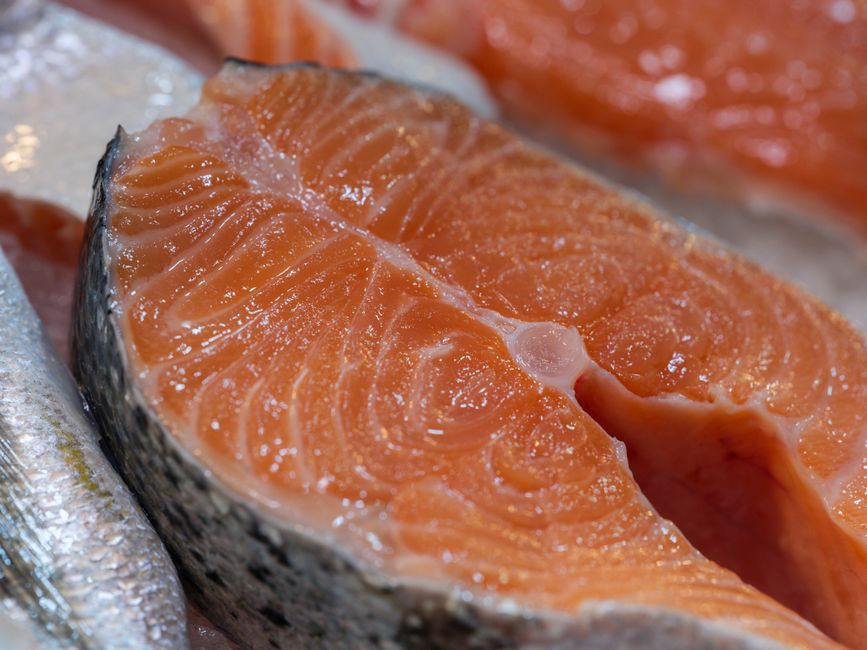
Dinner: Baked lemon-herb salmon (around 150g fillet) with roasted broccoli and a side of brown rice. Classic, satisfying, and takes about 25 minutes start to finish.
Tuesday: Keep the Momentum
Breakfast: Avocado toast on whole-grain bread, topped with a soft-boiled egg and chili flakes.
Lunch: Leftover lentil soup. See? Already saving time.
Dinner: Shrimp stir-fry with snap peas, bell peppers, garlic, ginger, and a splash of low-sodium soy sauce over brown rice. This comes together in literally 15 minutes if your rice is pre-cooked.
Wednesday: Midweek Mix-Up
Breakfast: Smoothie made with spinach, frozen mango, banana, and a scoop of plant-based protein powder (or a cup of milk).
Lunch: Tuna salad wrap—canned tuna, Greek yogurt instead of mayo, diced celery, lemon juice, wrapped in a whole-wheat tortilla with romaine leaves.
Dinner: Vegetarian night—black bean tacos with roasted sweet potato, pickled red onion, and a dollop of plain yogurt instead of sour cream. Don't skip the lime.
Thursday: Something a Little Different
Breakfast: Overnight oats prepped the night before—oats, almond milk, a tablespoon of peanut butter, sliced banana.
Lunch: Mediterranean chickpea salad with cucumber, cherry tomatoes, kalamata olives, red onion, and feta, dressed with olive oil and red wine vinegar.
Dinner: Cod en papillote (that's French for "in parchment"—it sounds fancy but it's genuinely one of the easiest cooking methods). Wrap a 150g cod fillet with sliced zucchini, lemon rounds, capers, and olive oil. Bake at 200°C (400°F) for 15 minutes. Serve with steamed green beans.
Friday: End-of-Week Comfort
Breakfast: Scrambled eggs with sautéed spinach, mushrooms, and a slice of whole-grain toast.
Lunch: Tomato and white bean soup—either homemade or a good-quality jarred version—with a side salad.
Dinner: Pasta with garlic-butter prawns, cherry tomatoes, wilted spinach, and a squeeze of lemon. Use whole-wheat pasta if you want to bump up the fiber. This is the kind of dinner that feels like a treat but takes under 20 minutes.
Saturday: Weekend Brunch Energy
Breakfast/Brunch: Smoked salmon on a toasted bagel with cream cheese, cucumber, capers, and thinly sliced red onion. Honestly, this is one of the best arguments for going pescatarian.
Lunch: Big Greek salad with a side of hummus and pita bread.
Dinner: Miso-glazed sea bass with sesame bok choy and soba noodles. The miso glaze (just miso paste, mirin, and a little honey) does most of the work here—marinate for even 20 minutes and the flavor payoff is significant.
Sunday: Slow Down and Prep Ahead
Breakfast: Banana pancakes made with oats, eggs, and a ripe banana—naturally sweetened, no refined sugar needed.
Lunch: Leftover soba noodles from Saturday, tossed cold with sesame oil, sliced cucumber, and a soft-boiled egg.
Dinner: Vegetable and prawn curry with coconut milk, served over jasmine rice. Make extra—this reheats beautifully and sets you up for an easy Monday lunch the following week.
What to Keep in Your Pantry (So This Actually Works)
A pescatarian week runs on a handful of reliable staples. Stock these and you'll never be completely stuck:
- Canned fish: tuna, sardines, salmon—these are genuinely underrated protein sources
- Dried or canned legumes: lentils, chickpeas, black beans, white beans
- Whole grains: brown rice, quinoa, whole-wheat pasta, oats
- Frozen seafood: shrimp and white fish fillets are affordable and defrost fast
- Flavor builders: miso paste, soy sauce, tahini, capers, good olive oil, lemon
Fresh fish is wonderful—but don't feel guilty leaning on frozen options during the week. Frozen shrimp and salmon fillets are typically flash-frozen at peak freshness, which means the nutritional profile is often just as good as "fresh" fish at the supermarket counter (which may have been sitting there for a few days anyway).
Balancing Nutrition Across the Week
One concern people raise about pescatarian eating is getting enough protein—especially on the more plant-forward days. But look at what this plan actually delivers: eggs, Greek yogurt, legumes, cheese, and multiple fish servings across seven days. Most adults need around 0.8–1g of protein per kilogram of bodyweight daily, and this plan comfortably hits that range.
Omega-3s are another win here. The salmon, mackerel, sardines, and sea bass in this plan provide a meaningful dose of EPA and DHA—the long-chain omega-3s associated with heart and brain health in research published by journals like the American Journal of Clinical Nutrition.
One thing to watch: iron and B12. These nutrients are lower in a pescatarian diet than an omnivorous one. Eating fortified cereals, eggs, sardines (an iron-rich fish), and dark leafy greens throughout the week helps bridge that gap. If you're making pescatarian eating a long-term lifestyle, it's worth discussing B12 levels with your doctor.
Making This Plan Work for Your Actual Life
Here's the honest truth—no meal plan survives contact with a busy Tuesday evening perfectly intact. The goal isn't rigid compliance. It's having enough structure that you're not staring at an empty fridge at 7pm.
A few things that genuinely help:
- Batch-cook your grains on Sunday (rice, quinoa) so they're ready to go all week
- Pre-chop vegetables when you get home from shopping—it removes the friction when you're tired
- Keep one or two "emergency" meals in your back pocket (canned tuna + pasta + olive oil + garlic is genuinely a solid 10-minute dinner)
If you want a plan that's tailored to your specific calorie needs, food preferences, or health goals rather than a generic template, our personalized meal planning quiz can build one around you—taking into account things like your schedule, cooking confidence, and whether you're feeding one person or a whole family.
The Grocery List That Makes This Actually Affordable
Pescatarian eating has a reputation for being expensive—and it can be, if you're buying sashimi-grade tuna every night. But this plan is built around budget-friendly choices. Canned fish, frozen shrimp, eggs, legumes, and seasonal vegetables keep costs reasonable. In most parts of the US and UK, you can comfortably execute this week of meals for $60–$80 for one person—comparable to a standard omnivore grocery run.
Buy what's on sale. Swap the sea bass for tilapia or pollock if they're cheaper that week. The meal plan is a framework, not a contract.
One Week Is a Great Starting Point
Seven days of pescatarian meals won't transform your health overnight—but it will show you how satisfying and genuinely varied this style of eating can be. Most people who try it for a week find themselves doing it again the next week, then the week after that.
And once it becomes a habit, you stop thinking of it as a "diet" at all. It's just how you eat. That's the real goal.
Frequently Asked Questions
What do pescatarians eat in a day?
A pescatarian eats fish, seafood, eggs, dairy, and all plant foods—but no meat or poultry. A typical day might include Greek yogurt with fruit for breakfast, a chickpea salad or tuna wrap for lunch, and baked salmon with vegetables and brown rice for dinner. Snacks often include nuts, fruit, hummus, or cottage cheese.
Is it hard to get enough protein on a pescatarian diet?
Not at all—especially if you include a variety of sources. Fish, shrimp, eggs, Greek yogurt, legumes (lentils, black beans, chickpeas), and dairy all provide solid protein. A weekly plan that rotates these sources comfortably meets most adults' daily protein needs of around 0.8–1g per kilogram of body weight.
How often should a pescatarian eat fish per week?
Most nutrition guidelines suggest 2–3 servings of fish or seafood per week as a healthy target. A pescatarian diet often includes more than this, which is generally fine—but it's worth varying your fish choices to limit mercury exposure. Opt for lower-mercury options like salmon, sardines, trout, shrimp, and cod more often, and enjoy higher-mercury fish like tuna in moderation.
Related Articles
Take the 1-Minute Quiz
Answer a few quick questions and get a personalized meal plan built around your goals, food preferences, and daily routine.
Get My Personalized Meal Plan