
Good Meals for the Week: A Simple Plan That Actually Works
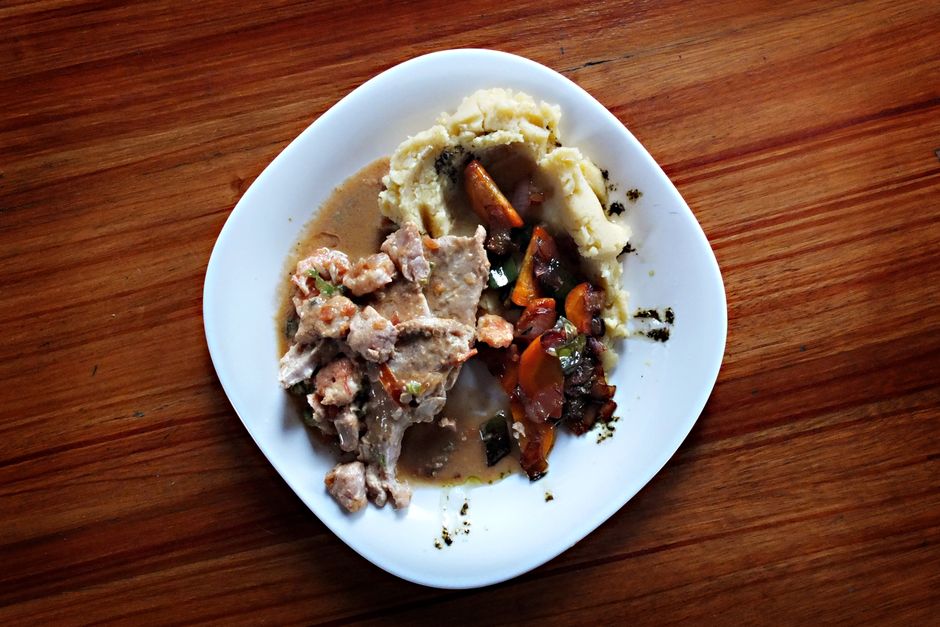
Why Weekly Meal Planning Changes Everything
Most people don't eat badly because they lack willpower. They eat badly because at 6:30pm on a Tuesday, they're tired, hungry, and there's nothing ready. Sound familiar?
That's exactly the problem that planning good meals for a week ahead solves. When you already know what's for dinner—and the ingredients are sitting in your fridge—making a decent choice is suddenly the easy choice. Research from the International Journal of Behavioral Nutrition and Physical Activity found that people who plan their meals weekly tend to eat a more varied, nutritious diet and are less likely to rely on takeout.
So let's build you a week that actually works.
The Building Blocks of a Good Weekly Meal
Before we get into specific ideas, it helps to understand what makes a meal genuinely good—not just filling, but balanced enough to keep your energy steady and support your health goals.
Every solid meal should hit three bases:
- A quality protein source — chicken thighs, eggs, lentils, salmon, Greek yogurt, tofu
- A complex carbohydrate — brown rice, sweet potato, wholegrain pasta, oats, quinoa
- Plenty of vegetables or fruit — aim for half your plate, every single meal
Add a small amount of healthy fat (olive oil, avocado, a handful of nuts) and you're genuinely covered. That's not complicated—it's just consistent.
A Full Week of Good Meal Ideas (Breakfast, Lunch, and Dinner)
Here's a realistic, flexible week. Nothing here requires a culinary degree. Most of these come together in under 30 minutes, and several share ingredients—which keeps shopping simple and waste low.
Monday
Breakfast: Overnight oats with banana and a tablespoon of almond butter. Make two portions Sunday night—Monday morning sorted.
Lunch: Tinned chickpea and roasted veg wrap with hummus. Takes about 10 minutes if the veg was roasted the day before.
Dinner: Baked salmon fillet with steamed broccoli and brown rice. Simple, quick, and genuinely satisfying.
Tuesday
Breakfast: Two scrambled eggs on wholegrain toast with a handful of cherry tomatoes on the side.
Lunch: Leftover salmon flaked over a green salad with cucumber, red onion, and a lemon-olive oil dressing.
Dinner: Chicken thigh traybake with sweet potato wedges and green beans. Throw it in the oven, set a timer, done.
Wednesday
Breakfast: Greek yogurt (full-fat, around 150g) with mixed berries and a sprinkle of granola.
Lunch: Leftover chicken traybake in a wholegrain pitta with spinach and tzatziki.
Dinner: Lentil and vegetable soup with a slice of seeded bread. Make a big batch—this one's even better the next day.
Thursday
Breakfast: Banana smoothie with oat milk, a scoop of peanut butter, and a handful of spinach (you honestly can't taste it).
Lunch: Leftover lentil soup. Genuinely no effort required.
Dinner: Prawn stir-fry with egg noodles, bok choy, ginger, soy sauce, and sesame oil. Ready in 15 minutes flat.
Friday
Breakfast: Poached eggs on sourdough with sliced avocado. A bit more relaxed—it's Friday after all.
Lunch: Brown rice bowl with edamame, shredded carrot, cucumber, and a miso-tahini dressing.
Dinner: Homemade turkey burgers in wholegrain buns with a big side salad. A Friday win that doesn't derail anything.
Saturday
Breakfast: Wholegrain pancakes topped with fresh fruit and a drizzle of honey. Weekend energy.
Lunch: Big mezze plate—hummus, olives, feta, wholegrain pitta, sliced veg. No cooking required.
Dinner: Slow-cooked beef and vegetable stew with crusty bread. Make extra—it freezes brilliantly.
Sunday
Breakfast: Veggie omelette with mushrooms, peppers, and a small handful of cheese.
Lunch: Leftover stew or a simple tomato and basil pasta with parmesan.
Dinner: Roast chicken with roasted root vegetables and new potatoes. Use leftovers for Monday's lunch—and the cycle begins again.
How to Prep Without Spending Your Entire Sunday in the Kitchen
Here's the thing about meal prep—it doesn't have to be a four-hour ordeal. Strategic batch cooking means doing a handful of things that give you maximum flexibility through the week.
Pick two or three of these on Sunday:
- Cook a big pot of grains (brown rice or quinoa keeps well for 4-5 days in the fridge)
- Roast a tray of mixed vegetables—they go with almost everything
- Hard-boil 4-6 eggs for quick breakfasts or salad toppers
- Make a sauce or dressing in bulk (a basic tahini dressing or tomato sauce goes a long way)
- Portion out snacks—cut fruit, pre-weighed nuts, yogurt pots—so they're grab-and-go
That's probably 45-60 minutes of work. But it means Monday through Wednesday almost take care of themselves.
Making Your Grocery Shop Work for the Week
Good meals for a week start at the supermarket, not in the kitchen. A chaotic shop leads to a chaotic week. Before you go, write your meals down—even roughly—and build your list from there.
A few things that help: stick to the perimeter of the store first (fresh produce, proteins, dairy), buy frozen veg without guilt (it's nutritionally comparable to fresh and way less wasteful), and always have a few pantry staples that can rescue any meal—tinned tomatoes, dried lentils, pasta, eggs, and oats are your best friends.
And if you're not sure where to start with building a plan that fits your specific goals and preferences, our personalized meal planning quiz at ProperDietPlan can put together a week of meals tailored specifically to you. It takes about two minutes.
Don't Overthink It—Flexibility Is the Point
No plan survives contact with real life perfectly. You'll have a late meeting, someone will want takeout, you'll be too tired to cook the stir-fry. That's fine.
The goal isn't perfection—it's having a strong default. When you've planned good meals for the week and shopped accordingly, even your improvised nights tend to be better than they would've been with an empty fridge.
Swap meals around. Double up on something you loved. Skip the one you didn't feel like making. The structure is there to support you, not stress you out.
Keep it simple, keep it flexible—and most importantly, keep going.
Frequently Asked Questions
What are the easiest good meals to prep for the week?
Some of the easiest meals to prep in advance include overnight oats, lentil soup, chicken traybakes, and grain bowls. These all store well in the fridge for 3-4 days and can be mixed and matched throughout the week. Cooking a big batch of brown rice or quinoa on Sunday is one of the highest-return prep tasks you can do—it forms the base of multiple lunches and dinners.
How do I plan good meals for a week on a budget?
The key is building your week around affordable staples—eggs, lentils, tinned chickpeas, frozen vegetables, oats, and tinned fish like salmon or tuna are all nutritious and inexpensive. Choose one or two proteins to buy in bulk (like chicken thighs or a whole chicken) and plan meals that use leftovers. A weekly meal plan also reduces food waste significantly, which is one of the biggest hidden costs in most grocery budgets.
How many meals should I plan per week?
Most people find it works best to plan 5-6 dinners and have a loose structure for breakfasts and lunches rather than scripting every single meal rigidly. Allowing 1-2 flexible nights (for leftovers, takeout, or eating out) makes the plan feel sustainable rather than restrictive. The goal is having enough planned that you're never caught completely off-guard—not accounting for every bite in advance.
Related Articles
Take the 1-Minute Quiz
Answer a few quick questions and get a personalized meal plan built around your goals, food preferences, and daily routine.
Get My Personalized Meal Plan