
Good Foods for Cutting Weight: What to Actually Stock in Your Kitchen
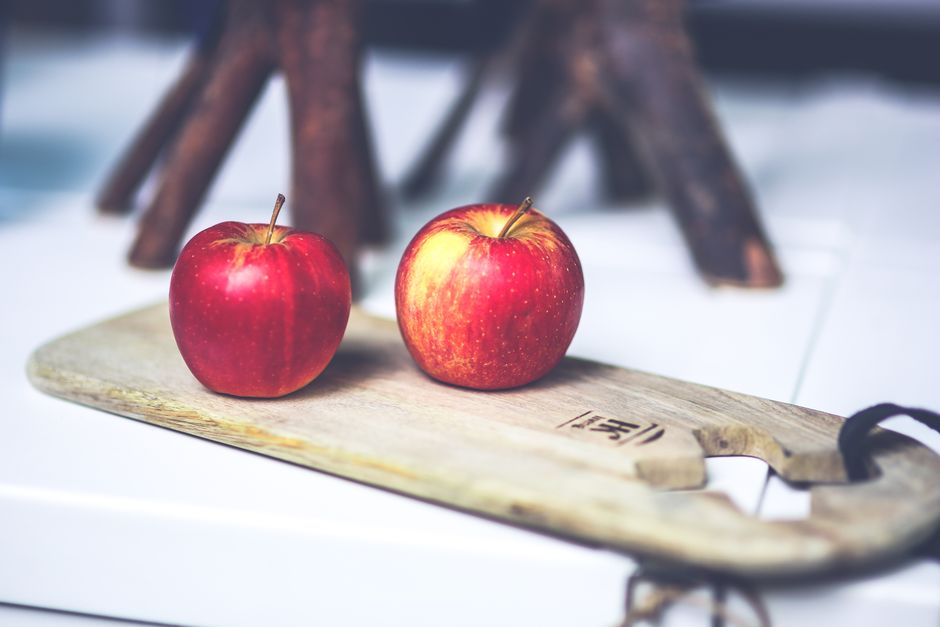
Here's the thing about cutting weight: most people approach it backwards. They focus on what to remove from their diet and end up hungry, miserable, and raiding the pantry at 10pm. But the smarter play? Fill your plate with foods that work for you—high in protein, fiber, and water content—so you're naturally eating less without feeling deprived.
This isn't about magic foods or miracle combinations. It's about understanding which everyday ingredients keep you full longer, support your metabolism, and fit into a sustainable eating pattern. Let's get into it.
Why Food Choice Matters More Than Calorie Math Alone
Yes, a calorie deficit drives weight loss. That's not up for debate. But 400 calories of chicken breast and broccoli will keep you full for 3-4 hours. Four hundred calories of pretzels? You'll be hungry again in 45 minutes. Same number, completely different effect on your hunger hormones and energy levels.
Foods high in protein and fiber slow digestion, blunt blood sugar spikes, and reduce the hunger hormone ghrelin. A 2023 study published in Nutrition & Metabolism found that participants eating high-fiber, high-protein diets consumed an average of 400 fewer calories per day—without being told to restrict. That's the kind of effortless calorie control worth building your meals around.
The Best Protein Sources When You're Cutting
Protein is your best friend during a cut. It preserves muscle mass while you're in a deficit, costs your body more energy to digest (roughly 20-30% of its calories go toward digestion), and keeps hunger at bay. Aim for around 1.6–2.2g of protein per kilogram of bodyweight daily.
Lean Meats and Fish
Chicken breast, turkey mince, cod, tilapia, and canned tuna are the workhorses here. A 150g serving of grilled chicken breast gives you about 45g of protein for roughly 250 calories. Canned tuna in spring water is even more efficient—a standard 185g tin packs 35g of protein for under 180 calories. Hard to beat.
Salmon deserves a special mention too. Yes, it's higher in fat than cod, but those omega-3 fatty acids support inflammation reduction—which matters when you're training hard during a cut. Two to three servings per week is solid.
Eggs and Dairy
Whole eggs, Greek yogurt, and cottage cheese are underrated cutting foods. Greek yogurt (plain, full-fat or low-fat) gives you around 17-20g of protein per 200g serving and is loaded with gut-friendly probiotics. Cottage cheese is similar—high protein, casein-based (slow-digesting), and genuinely filling. Add some berries and you've got a solid breakfast or snack that takes two minutes to prepare.
Vegetables That Pull Their Weight
Non-starchy vegetables are basically a free pass. They're low in calories, high in fiber, packed with micronutrients, and add serious volume to your plate. Eating a huge bowl of food is psychologically satisfying—and these veg deliver that without blowing your calorie budget.
- Spinach and kale – Around 20-25 calories per 100g. Use them as a base for salads or wilt them into scrambled eggs.
- Broccoli and cauliflower – High fiber, incredibly versatile. Roast them with a little olive oil and they taste completely different to boiled.
- Cucumber and celery – Mostly water, great for snacking when you need something crunchy.
- Bell peppers – One medium pepper has more vitamin C than an orange, and only about 30 calories.
- Zucchini – Spiralized as a pasta alternative or roasted as a side, it adds bulk for almost no calories.
A practical tip: roast a big tray of mixed veg on Sunday—broccoli, peppers, red onion, courgette—and keep it in the fridge. It goes with everything and saves you from reaching for something less useful when you're tired and hungry mid-week.
Smart Carb Choices (Yes, Carbs Stay)
Cutting weight doesn't mean eliminating carbohydrates. It means choosing carbs that give you sustained energy and fiber rather than spiking your blood sugar and leaving you hungry an hour later. Sound familiar? That afternoon slump after a big white-bread sandwich is a classic example.
Legumes Are Underused
Lentils, chickpeas, black beans, and kidney beans are among the most nutrient-dense foods you can eat. A 200g serving of cooked lentils delivers around 18g of protein and 16g of fiber—a combination that makes them one of the most filling foods per calorie available. Add them to soups, salads, or make a simple dal with tinned tomatoes and spices.
Whole Grains Over Refined
Oats, brown rice, quinoa, and wholegrain bread all have a lower glycaemic response than their refined counterparts. Oats are particularly good—a 40g serving of rolled oats with protein powder and some berries makes a breakfast that'll carry you through to lunch without any willpower required.
Sweet potatoes are worth flagging here too. They're slightly higher in calories than regular veg, but they're packed with potassium, vitamin A, and fiber. A medium sweet potato (about 130g) has around 115 calories and is genuinely satisfying as part of a meal.
Fats That Help, Not Hinder
Fat is calorie-dense (9 calories per gram vs. 4 for protein and carbs), so portions matter more here. But cutting fat entirely is a mistake—it's essential for hormone production, fat-soluble vitamin absorption, and satiety.
Avocado, olive oil, nuts, and seeds are your go-to sources. A quarter of an avocado (about 50g) on a high-protein salad adds creaminess and healthy monounsaturated fats without going overboard. A small handful of almonds—roughly 20-25 nuts—makes a solid snack at around 170 calories. Just measure it. The portion gap between "a handful" and an actual measured portion can be surprisingly large.
Putting It Together: A Sample Day of Cutting-Friendly Eating
Theory is one thing. Seeing it in practice is more useful. Here's what a day of good foods for cutting weight actually looks like:
- Breakfast: 40g oats cooked with water, 1 scoop vanilla protein powder stirred in, topped with 80g frozen berries (thawed) and a sprinkle of chia seeds. ~450 calories, ~40g protein.
- Lunch: Large salad with 150g grilled chicken breast, mixed leaves, cucumber, cherry tomatoes, half a tin of chickpeas, and 1 tbsp olive oil + lemon dressing. ~480 calories, ~48g protein.
- Snack: 200g plain Greek yogurt with a few walnuts and a drizzle of honey. ~220 calories, ~18g protein.
- Dinner: 150g salmon fillet baked in the oven, served with a large portion of roasted broccoli, cauliflower, and peppers, and 100g cooked brown rice. ~520 calories, ~42g protein.
That's roughly 1,670 calories and 148g of protein—a solid template for most people in a moderate deficit. Adjust portions up or down based on your specific needs.
A Note on Drinks and Hidden Calories
Water, black coffee, and herbal teas are your best beverage options when cutting. Liquid calories are easy to overlook—a daily large oat milk latte is around 250 calories, which adds up to 1,750 calories a week. Not catastrophic, but worth knowing about.
Green tea is worth mentioning. A 2022 meta-analysis in Frontiers in Nutrition found modest but real thermogenic effects from green tea catechins—nothing dramatic, but it's a nice bonus on top of zero calories and genuine health benefits.
Getting the Balance Right for You
Everyone's maintenance calories, activity level, and food preferences are different—which is why a generic plan only goes so far. The foods above are evidence-backed building blocks, but how you arrange them around your lifestyle is where the real work happens.
If you want a structured starting point, our personalized meal planning quiz at ProperDietPlan takes your goals, food preferences, and daily routine into account to build a realistic eating plan around exactly these kinds of good foods for cutting weight—without the guesswork.
The bottom line? Fill your kitchen with lean protein, fiber-rich vegetables, legumes, whole grains, and smart fats. Build meals around these foods consistently, stay hydrated, and you'll naturally create the calorie deficit you need—without spending every evening fighting cravings.
Frequently Asked Questions
What are the best foods to eat when trying to cut weight without losing muscle?
Prioritize high-protein foods like chicken breast, Greek yogurt, eggs, cottage cheese, and canned tuna. These preserve lean muscle mass while you're in a calorie deficit. Pair them with fiber-rich vegetables and legumes to stay full, and aim for around 1.6–2.2g of protein per kilogram of bodyweight each day.
How many calories should I eat when cutting weight?
A moderate deficit of 300–500 calories below your maintenance level is a sustainable starting point for most people. This typically leads to around 0.5–1kg of weight loss per week without being so aggressive that it tanks your energy or causes significant muscle loss. Use a TDEE calculator to estimate your maintenance calories, then subtract from there—and focus on filling those calories with nutrient-dense, high-satiety foods.
Are carbs okay to eat when cutting weight?
Yes—carbohydrates aren't the enemy. The key is choosing high-fiber, lower-glycaemic options like oats, lentils, chickpeas, quinoa, brown rice, and sweet potatoes. These digest more slowly, keep blood sugar stable, and help you stay full longer compared to refined carbs like white bread or sugary cereals. Total calorie intake matters most, but the type of carbs you eat has a real effect on hunger and energy levels throughout the day.
Related Articles
Take the 1-Minute Quiz
Answer a few quick questions and get a personalized meal plan built around your goals, food preferences, and daily routine.
Get My Personalized Meal Plan