
How to Eat Clean for a Week (Without Losing Your Mind)
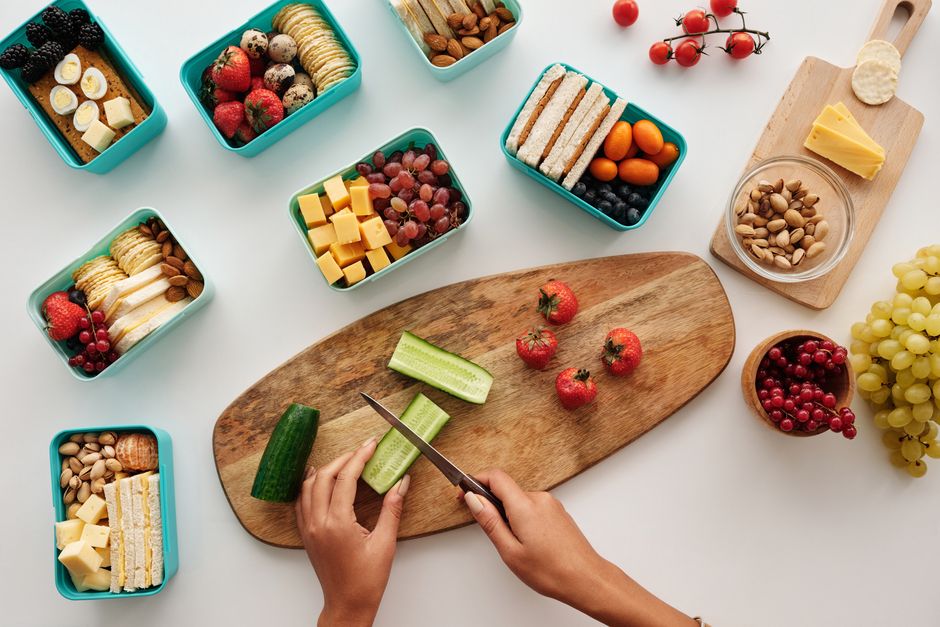
Why a Week Is the Perfect Starting Point
A week is manageable. It's not a lifetime commitment, not a crash diet, and definitely not a punishment. It's just seven days of making smarter food choices—and that's usually enough time to notice how much better you feel when you're actually fueling your body properly.
Most people who decide to eat clean for a week discover something surprising: after day three or four, the cravings quiet down, energy picks up, and the whole thing starts feeling less like willpower and more like habit. That's the goal.
So what does "eating clean" actually mean? At its core, it's about prioritizing whole, minimally processed foods—vegetables, fruits, lean proteins, whole grains, and healthy fats—while cutting back on ultra-processed snacks, refined sugar, and heavily packaged meals. No magic formulas. No weird supplements. Just real food.
Before You Start: The Prep Work That Actually Matters
Skipping this part is why most clean eating attempts fall apart by Wednesday. A little planning on the front end saves you from staring into an empty fridge at 7pm and ordering pizza.
Clean Out the Obvious Stuff
You don't need to throw out everything in your kitchen. But do a quick sweep. Chips, sugary cereals, soft drinks, instant noodles—move them to the back or out entirely. Out of sight genuinely does mean out of mind, at least most of the time.
Build a Simple Shopping List
Stick to the perimeter of the grocery store—that's where the fresh produce, proteins, and dairy live. A solid week-one shopping list looks something like this:
- Proteins: chicken breast, eggs, canned tuna, Greek yogurt, lentils
- Vegetables: spinach, broccoli, bell peppers, zucchini, sweet potato
- Fruits: bananas, berries, apples, oranges
- Whole grains: oats, brown rice, quinoa, whole grain bread
- Healthy fats: olive oil, avocado, almonds, walnuts
That's really it. You don't need 40 ingredients. Simplicity is what makes this sustainable.
Batch Cook Two or Three Things
Pick a Sunday afternoon—or whatever day works—and cook a big batch of brown rice, roast a tray of vegetables, and hard-boil half a dozen eggs. These become the building blocks for meals throughout the week. Fifteen minutes of prep on day one saves you hours of decision fatigue later.
What a Full Week of Clean Eating Actually Looks Like
Here's a realistic daily structure. Not perfect, not obsessive—just a framework you can adapt.
Breakfast: Keep It Simple and Filling
Mornings are where clean eating either clicks or crashes. Skip the sugary granola bars and fast-food drive-throughs. Instead, rotate through these:
- Overnight oats with banana slices and a tablespoon of almond butter
- Scrambled eggs with spinach and whole grain toast
- Greek yogurt (plain, full-fat) with mixed berries and a drizzle of honey
Each of these takes under ten minutes to make and keeps you full until lunch. That matters—because hunger is what derails clean eating faster than anything else.
Lunch: The Leftover Strategy
This is where batch cooking pays off. Yesterday's roasted vegetables become today's grain bowl. That leftover chicken breast gets sliced over a big salad with olive oil and lemon. A can of tuna mixed with avocado and eaten with wholegrain crackers. Sound simple? It is. And simple is exactly what you want at 12:30pm when you're busy.
Dinner: One Protein, Two Vegetables, One Grain
This formula works every time. Baked salmon with roasted broccoli and quinoa. Grilled chicken with sweet potato and steamed green beans. Lentil soup with a side of whole grain bread. You're not reinventing the wheel here—you're just making smart, satisfying meals that don't leave you raiding the pantry an hour later.
Snacks: Don't Pretend You Won't Need Them
You will. Plan for it. An apple with almond butter, a small handful of mixed nuts, a boiled egg, or some hummus with sliced cucumber—these keep your blood sugar stable between meals and stop the 3pm vending machine sprint.
The Stuff Nobody Warns You About
Days one and two can feel a little rough, especially if you're coming off a diet heavy in processed food. Mild headaches, fatigue, or irritability are common as your body adjusts—particularly if you're cutting back on caffeine or sugar at the same time. Push through it. By day four, most people feel noticeably clearer and more energetic.
Hydration matters more than you think. Aim for around 2 litres of water daily. Herbal teas count. Black coffee is fine in moderation. But soft drinks and fruit juices—even the "natural" ones—are worth skipping this week. A 330ml can of orange juice has roughly 30 grams of sugar. That's not clean eating, that's a sugar spike with a vitamin C label.
And be realistic about social situations. If you have a dinner out on Thursday, don't cancel it. Just make the smartest choice on the menu—grilled fish over pasta, a side salad instead of fries, sparkling water instead of wine. One meal doesn't break a week. Perfectionism does.
How to Make It Stick Beyond the Week
Here's the thing—one week of clean eating won't transform your health on its own. But it can absolutely reset your palate, break some lazy food habits, and show you that eating well doesn't have to be complicated or miserable.
After the seven days, most people find they want to keep going, at least partially. That's the power of building momentum. If you're serious about creating a longer-term approach that fits your specific lifestyle, food preferences, and health goals, it's worth getting a plan that's actually built around you. Our personalized meal planning quiz at ProperDietPlan takes just a few minutes and gives you a customized weekly meal plan—so you're not starting from scratch every Sunday.
The goal isn't a perfect week. The goal is a starting point that makes the next week a little easier.
Quick Wins to Lock In Right Now
If you're reading this and thinking "okay, I want to start"—here are four things you can do today:
- Write your shopping list using the food categories above
- Pick three breakfast options you'll rotate through this week
- Choose one batch-cook item to make before the week starts (rice, roasted veg, or boiled eggs)
- Clear one visible snack spot in your kitchen and fill it with fruit or nuts instead
That's it. You don't need a 47-step system. You need a starting point and a little structure. The rest follows.
Frequently Asked Questions
Can I eat clean for a week on a tight budget?
Absolutely. Clean eating doesn't require expensive superfoods or specialty stores. Eggs, oats, lentils, canned tuna, frozen vegetables, and brown rice are all affordable and genuinely nutritious. A well-planned clean eating week can cost less than a week of takeout and convenience food—often significantly less. Buying in bulk where you can (oats, rice, legumes) helps stretch your grocery budget further.
Will I lose weight if I eat clean for a week?
You may notice some changes—particularly reduced bloating and water retention—within a week of cutting out processed foods and excess sodium. Meaningful, lasting changes in body composition take longer than seven days, but a clean eating week is a strong foundation. It helps reset your appetite, reduce cravings for ultra-processed foods, and build the habits that support healthier eating long-term.
What if I slip up and eat something 'unclean' during the week?
Move on. Seriously. One biscuit, one takeaway meal, or one slice of birthday cake doesn't cancel a week of effort. The all-or-nothing mindset is actually one of the biggest barriers to building healthier habits. Acknowledge it, don't dwell on it, and just pick up where you left off at the next meal. Consistency over time matters far more than perfection on any given day.
Related Articles
Take the 1-Minute Quiz
Answer a few quick questions and get a personalized meal plan built around your goals, food preferences, and daily routine.
Get My Personalized Meal Plan