
Clean Eatz Grab and Go Meals: Are They Worth It? (Honest Breakdown)
The Real Appeal of Clean Eatz Grab and Go Meals
You're busy. Lunch break is 20 minutes. You're staring at a fridge full of takeout menus and questionable leftovers. Sound familiar? That's exactly the gap Clean Eatz grab and go meals are trying to fill—and honestly, for a lot of people, they hit the mark.
Clean Eatz is a meal prep café chain with locations across the United States that pre-packages portioned meals you can pick up without waiting, planning, or cooking. The idea is simple: eat better without the time investment. But simple doesn't always mean straightforward. So let's actually dig into what these meals offer, where they fall short, and how to use them strategically in your week.
What's Actually in a Clean Eatz Grab and Go Meal?
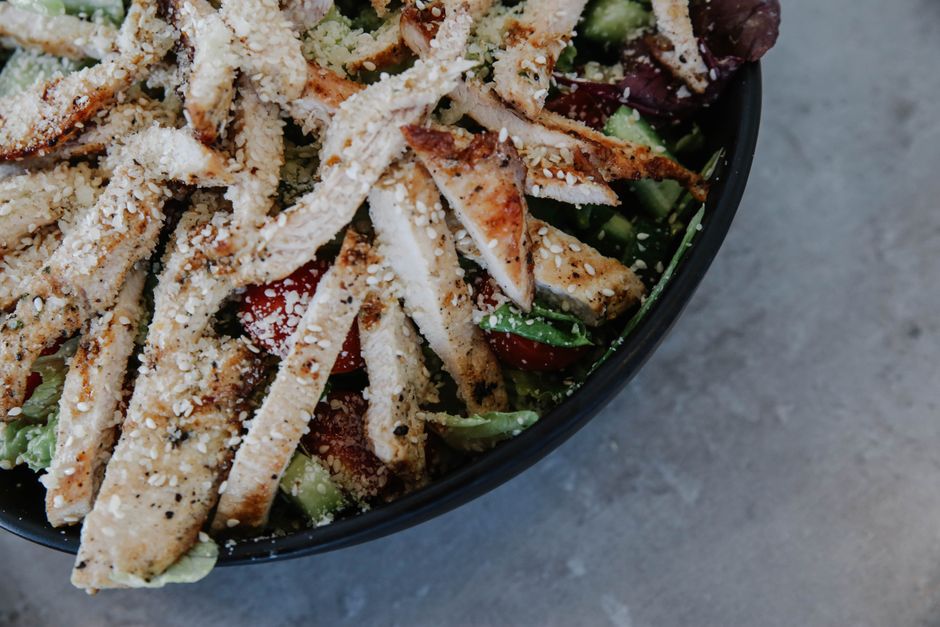
Most Clean Eatz grab and go options are built around a fairly standard macronutrient template—a lean protein, a complex carbohydrate, and a vegetable. Think grilled chicken with brown rice and broccoli, or turkey meatballs with zucchini noodles and marinara. The portions are pre-set, usually landing somewhere between 350–550 calories per container depending on the meal.
That structure is genuinely useful. One of the biggest nutrition pitfalls isn't eating "bad" food—it's eating unmeasured food. When you're scooping pasta straight from the pot at 11pm, there's no feedback loop. Pre-portioned meals remove that variable entirely.
The Nutrition Numbers Worth Knowing
Clean Eatz meals typically clock in at:
- 25–40g of protein per serving (solid for satiety)
- 30–50g of carbohydrates (varies widely by meal choice)
- 8–15g of fat (generally on the lower end)
- 600–900mg sodium (this is worth watching if you're tracking salt)
The sodium piece is worth flagging. Pre-packaged meals—even healthy ones—tend to run higher on salt than home cooking. It's not a dealbreaker, but if you're eating two Clean Eatz grab and go meals per day, that adds up. Balance it with low-sodium meals the rest of the day and you're fine.
Who These Meals Actually Work For
Let's be honest about the target audience here. Clean Eatz grab and go meals aren't designed for someone who loves cooking on Sunday afternoon and batch preps six containers of food. They're designed for someone whose Sunday afternoon got derailed by a kids' soccer game and a broken dishwasher.
They work well for:
- Office workers who need a reliable desk lunch
- People in the middle of a fitness routine who want consistent protein intake
- Anyone transitioning away from fast food who needs a real, structured alternative
- Travelers near a Clean Eatz location who want to stay on track
And here's the thing—using convenience food intentionally is completely different from using it as a fallback. If you plan to grab two or three Clean Eatz meals per week as anchors in your routine, that's a legitimate nutrition strategy.
The Cost Question (Because It Matters)
Clean Eatz grab and go meals typically run $7–$12 per meal depending on your location and what you choose. Compare that to a Chipotle burrito bowl averaging around $10–$13, or a fast-casual salad at $14–$16, and the value proposition starts to look pretty reasonable—especially since you're also getting the macro breakdown handed to you.
But compared to home cooking? They're pricier. A batch of chicken thighs, sweet potatoes, and green beans you prep at home might cost $3–4 per serving. So this isn't a budget strategy—it's a time-trade strategy. You're paying for the hours you're not spending cooking and washing dishes.
Where People Go Wrong With Grab and Go Meals
The mistake we see most often is treating grab and go meals as a complete solution rather than one piece of a bigger picture. Someone grabs a Clean Eatz meal for lunch, eats well, feels great—then gets home exhausted, has nothing planned for dinner, and orders a large pizza. The lunch did its job. But without a broader structure, the convenience becomes a crutch instead of a tool.
That's why pairing grab and go meals with even a loose weekly plan makes such a difference. You don't need to cook every meal from scratch. But knowing in advance which meals will be grab and go, which will be quick home-cooked, and which might be a social dinner out—that awareness changes everything.
How to Build a Smarter Routine Around Them
Here's a practical approach that actually works. Rather than relying on Clean Eatz grab and go meals every day (which gets expensive and monotonous), use them as your "anchor" meals on your hardest days.
Map your week out Sunday evening. Identify two or three days where you know lunch or dinner is going to be a scramble. Those are your Clean Eatz days. The other days, keep it simple at home—eggs and roasted vegetables, grain bowls, stir-fries that take 20 minutes. This hybrid approach gives you the convenience benefit without the full cost or nutritional repetition.
It also helps to know your own macros before you start stacking meals. If you're not sure how much protein, carbs, or calories actually support your goals, that's worth figuring out first. Our personalized meal planning quiz at ProperDietPlan can map that out for you in a few minutes—then you can slot in grab and go options that actually align with where you're headed.
Picking the Right Clean Eatz Meal for Your Goal
Not all grab and go options are equal, and the menu varies by location. But here are some general selection principles:
If protein is your priority: Look for meals with grilled chicken, turkey, or salmon as the base. Avoid anything breaded or cream-sauced—those add calories without adding much protein.
If you're watching carbs: Cauliflower rice bases and zucchini noodle options usually pop up on the menu. These drop total carbs significantly without cutting the meal down to a sad salad situation.
If you're more active and need fuel: Don't shy away from the higher-calorie options with brown rice or sweet potato. Undereating around workouts is a real issue—don't treat every grab and go meal like it needs to be as light as possible.
And always check the nutrition label on the container before you assume it fits your plan. Even within a "clean eating" framework, different meals can vary by 200+ calories and 15g of carbs.
The Bottom Line
Clean Eatz grab and go meals are a legitimate tool—not a miracle solution, but not overrated either. They offer real portion control, decent macros, and genuine convenience for people who actually need it. The key is using them with intention rather than just grabbing whatever's in the cooler and hoping for the best.
Build them into a weekly structure. Know what you're aiming for nutritionally. And on the days you're not relying on grab and go, keep your home meals simple enough that you'll actually make them. That's the combination that builds a sustainable, healthy eating routine—not perfection on any single day.
Frequently Asked Questions
Are Clean Eatz grab and go meals healthy?
Generally, yes—Clean Eatz grab and go meals are built around lean proteins, complex carbs, and vegetables with controlled portions. They're a solid option compared to fast food or skipping meals entirely. The main thing to watch is sodium content, which can run 600–900mg per meal, so balance your other meals accordingly if you're sensitive to salt.
How many calories are in a Clean Eatz grab and go meal?
Most Clean Eatz grab and go meals fall between 350–550 calories per container, though this varies by meal choice. Higher-protein or higher-carb options can push closer to 600 calories. Always check the nutrition label on the container, since the range across menu items is wider than people expect.
How often should I eat Clean Eatz grab and go meals?
There's no one-size-fits-all answer, but most people find two to four grab and go meals per week is a sweet spot—enough to ease busy days without getting expensive or repetitive. Using them as planned anchors on your hardest days, while cooking simpler meals at home the rest of the week, tends to be the most sustainable approach.
Related Articles
Take the 1-Minute Quiz
Answer a few quick questions and get a personalized meal plan built around your goals, food preferences, and daily routine.
Get My Personalized Meal Plan