
How to Build a Balanced Food Menu That Actually Works for Your Life
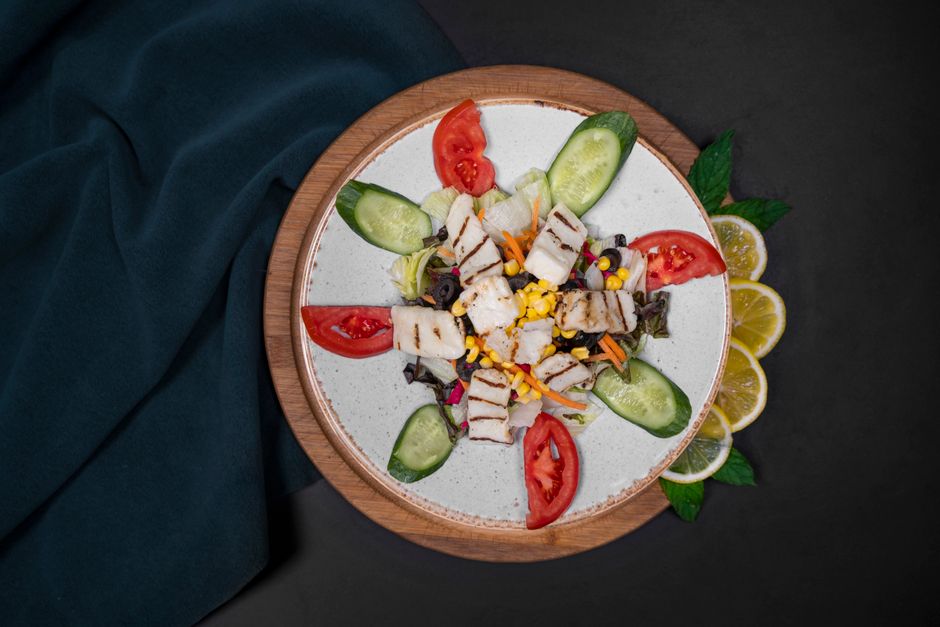
Most people think a balanced food menu means eating plain chicken and steamed broccoli every day. It doesn't. A truly balanced menu is one you can actually stick to—one that covers your nutritional bases without making you dread mealtimes. That's the goal here.
So let's talk about what balance really means, what it looks like on a plate, and how to build a weekly structure that doesn't fall apart by Wednesday.
What 'Balanced' Actually Means (It's Not What You Think)
The word 'balanced' gets thrown around constantly, but what does it mean in practice? At its core, a balanced food menu delivers adequate protein, complex carbohydrates, healthy fats, fiber, vitamins, and minerals—consistently, across the week. Not perfectly at every meal, but averaged out over time.
According to the 2020–2025 USDA Dietary Guidelines, roughly half your plate should be vegetables and fruit, a quarter lean protein, and a quarter whole grains or starchy vegetables. That's the foundation. Everything else is customization based on your body, preferences, and goals.
Here's the thing—balance is about patterns, not perfection. One 'off' meal doesn't break anything. A consistently unbalanced week, though? That's where the gaps in energy, mood, and health start showing up.
The Core Building Blocks of a Balanced Menu
Before you plan a single meal, you need to know what you're working with. Think of these as your non-negotiables:
Protein (aim for every meal)
Protein keeps you full, supports muscle tissue, and stabilizes blood sugar. Good sources include chicken breast, eggs, Greek yogurt, lentils, tofu, canned tuna, and cottage cheese. A practical target for most adults is around 25–35g per meal—roughly a palm-sized portion of chicken or a cup of cooked lentils.
Complex Carbohydrates (your energy base)
Whole grains, sweet potatoes, oats, brown rice, quinoa, and legumes. These digest more slowly than refined carbs, giving you steadier energy rather than a spike-and-crash cycle. And yes, carbs belong on a balanced menu—cutting them entirely tends to backfire for most people.
Healthy Fats (don't skip these)
Avocado, olive oil, nuts, seeds, and fatty fish like salmon or mackerel. Fats support hormone production, help absorb fat-soluble vitamins (A, D, E, K), and make food taste good—which matters more than people admit. Aim for 1–2 tablespoons of olive oil or a small handful of nuts per day as a starting point.
Vegetables and Fruit (the volume play)
This is where most menus fall short. Vegetables add fiber, micronutrients, and bulk without piling on calories. Aim for at least 3–5 cups of vegetables daily across your meals. Variety counts here—spinach, bell peppers, broccoli, carrots, zucchini, and leafy greens all bring different nutrient profiles to the table.
What a Balanced Day of Eating Actually Looks Like
Let's get specific. Here's a realistic, practical example of a balanced food menu for a single day:
Breakfast: Two scrambled eggs with sautéed spinach and cherry tomatoes, one slice of whole grain toast, and half an avocado. This gives you protein, fiber, complex carbs, and healthy fat right out of the gate.
Lunch: A large bowl with brown rice, roasted chickpeas, cucumber, shredded red cabbage, and a tahini-lemon dressing. Add a handful of pumpkin seeds for extra zinc and crunch. Filling, colorful, and genuinely satisfying.
Dinner: Baked salmon fillet with roasted sweet potato wedges and a side of steamed broccoli drizzled with olive oil. Simple. Takes about 25 minutes. Hits all the macros you need.
Snacks: Greek yogurt with berries mid-morning, a small apple with almond butter in the afternoon. Both combine protein or fat with natural sugar—so you're not reaching for the biscuit tin at 3pm.
That's a balanced food menu. Nothing exotic, nothing complicated. But everything works together.
Building Your Weekly Balanced Menu (Without Burning Out)
Planning one day is easy. Planning seven is where most people give up. Here's a structure that actually works:
Use the 'anchor meal' method
Pick 2–3 anchor meals per week—meals you make reliably, that you enjoy, and that you know are balanced. Maybe it's your Tuesday stir-fry with tofu and bok choy over brown rice. Maybe it's a Sunday sheet pan chicken with roasted vegetables. These anchors reduce decision fatigue and give you something to fall back on.
Batch cook one protein and one grain
On Sunday (or whatever your prep day is), cook a batch of a protein—say, grilled chicken breasts or hard-boiled eggs—and a grain like quinoa or brown rice. These become mix-and-match ingredients throughout the week. You're not making the same meal twice; you're just cutting your active cooking time in half.
Keep your produce flexible
Don't over-plan vegetables. Buy what's seasonal and affordable, then rotate them into whatever you're making. Roasted veggies on Monday become a grain bowl topping on Tuesday and a frittata filling on Wednesday. That kind of flexibility makes a balanced food menu sustainable rather than rigid.
Plan for one 'wildcard' meal
Leave one dinner slot unplanned each week. That's your takeout night, your leftovers night, your 'I'll figure it out' night. It reduces the pressure and keeps the whole system from feeling like a job.
Common Mistakes That Knock Your Menu Off Balance
Even with good intentions, a few patterns tend to derail otherwise solid meal plans:
- Skipping breakfast or lunch, then overeating at dinner. This creates a nutritional imbalance across the day and often leads to less nutritious food choices when hunger peaks.
- Not enough protein at breakfast. Starting the day with only toast or juice tends to leave people hungry by mid-morning, making the rest of the day harder to manage.
- Loading up on 'healthy' foods but forgetting variety. Eating the same handful of foods repeatedly—even nutritious ones—creates micronutrient gaps over time.
- Under-eating fats to cut calories. Removing fat from your menu often means removing satiety, which leads to snacking and cravings.
Sound familiar? These are the patterns we see most often when people feel like 'healthy eating isn't working' for them.
How a Personalized Meal Plan Changes the Game
Here's the honest truth: a generic balanced food menu is a starting point, not a finish line. Your calorie needs, food preferences, activity level, and health goals all shape what 'balanced' actually looks like for you specifically.
That's exactly why we built the ProperDietPlan meal planning quiz—to take the general framework and make it personal. Instead of guessing at portions or wondering whether your current menu is actually working, you get a structure tailored to your body and lifestyle. If you haven't tried it yet, it's worth a few minutes of your time.
Quick Tips to Keep Your Menu Balanced Long-Term
A few practical habits that make a real difference over weeks and months:
- Add a vegetable to every meal, even breakfast—spinach in eggs or sliced tomato on toast counts
- Keep a protein-rich snack accessible (Greek yogurt, a boiled egg, a handful of edamame) so you're never caught short
- Drink water consistently throughout the day—dehydration often masquerades as hunger
- Read food labels when buying packaged foods; aim for options where the first ingredient is something recognizable
- Cook in slightly larger quantities than you need—tonight's dinner becomes tomorrow's lunch without extra effort
None of these are revolutionary. But consistency with simple habits outperforms complex plans almost every time.
The Bottom Line
A balanced food menu isn't a rigid meal schedule or a list of foods you're allowed to eat. It's a framework—one built around protein, complex carbs, healthy fats, and plenty of vegetables, repeated with enough variety to keep it interesting and sustainable.
Start with one balanced day, get comfortable with the pattern, then build out to a full week. Use anchor meals, batch cook when you can, and give yourself one flexible slot so the plan doesn't feel suffocating. That's really all it takes to shift from chaotic eating to something that genuinely supports how you want to feel.
Frequently Asked Questions
What foods should be included in a balanced food menu?
A balanced food menu should include lean proteins (chicken, fish, eggs, legumes), complex carbohydrates (whole grains, sweet potatoes, oats), healthy fats (avocado, olive oil, nuts), and plenty of vegetables and fruit. Aim for variety across the week rather than perfection at every single meal—what matters most is the overall pattern across your day and week.
How many calories should a balanced food menu have?
Calorie needs vary significantly depending on your age, sex, height, weight, and activity level. A general starting point for most adults is between 1,800 and 2,400 calories per day, but this range can shift considerably based on individual factors. Rather than fixating on a single number, focus on building meals that include all macronutrients—protein, carbohydrates, and fats—in appropriate portions. A personalized meal plan quiz can help you determine a more accurate target for your specific situation.
Can a balanced food menu help with weight management?
Yes, a well-structured balanced food menu can support healthy weight management by providing consistent nutrition that reduces cravings, stabilizes energy levels, and prevents the overeating that often follows restrictive or unplanned eating. The emphasis is on building sustainable habits—regular protein intake, adequate fiber, and satisfying meals—rather than extreme restriction. Results vary by individual, and a personalized approach tends to be far more effective than following a generic plan.
Related Articles
Take the 1-Minute Quiz
Answer a few quick questions and get a personalized meal plan built around your goals, food preferences, and daily routine.
Get My Personalized Meal Plan